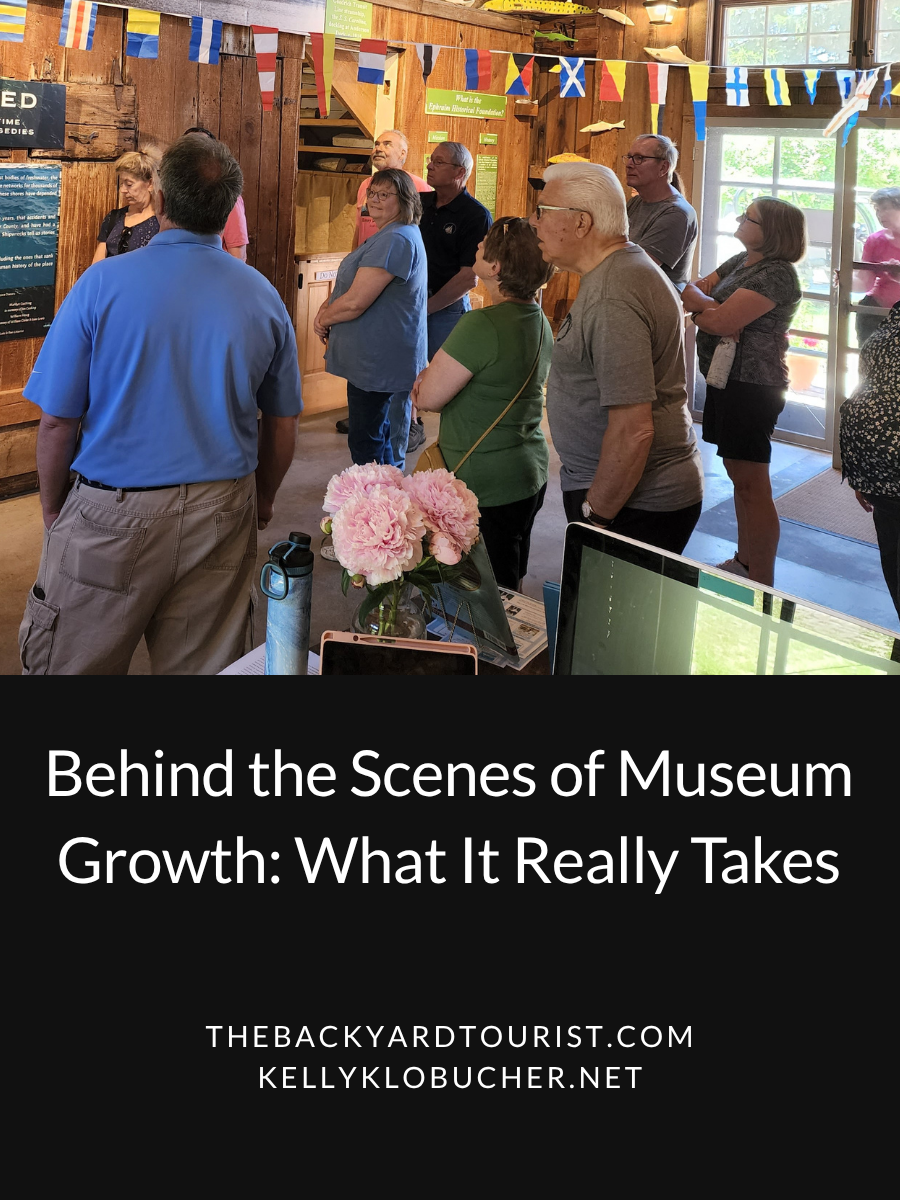
Exploring how museums, cultural travel, and storytelling shape communities and economic growth.
From the outside, museum growth often looks seamless.
New exhibits open, programs expand, and attendance increases. But behind the scenes, growth is the result of sustained effort, strategic planning, and building the right team with a willingness to adapt and pivot as needed.
Museum leadership requires balancing multiple priorities: financial sustainability, audience development, collections stewardship, and community engagement. Each decision must align with both the institution’s mission and its long-term vision.
One of the most important drivers of growth is programming. Thoughtful, audience-centered programming creates reasons for people to visit — and to return. This includes everything from educational initiatives to community events, all designed to make museums more accessible and relevant.
Partnerships are equally critical. Collaborating with local organizations, tourism entities, and community groups expands a museum’s reach and strengthens its role within the region. These relationships often lead to new opportunities for programming, funding, and visibility.
Growth also requires investment in storytelling. Museums that effectively communicate their value — to visitors, funders, and the broader community — are better positioned to succeed. This includes not only exhibits, but also marketing, digital presence, and public engagement.
Perhaps most importantly, growth depends on leadership that is both strategic and flexible. The ability to respond to changing audience expectations, economic conditions, and community needs is essential.
Museum growth is rarely the result of a single initiative. It is built over time, through a combination of vision, collaboration, and a deep commitment to serving the public.
Kelly Klobucher is a museum executive and cultural tourism strategist focused on audience growth, heritage preservation, economic development, and community storytelling.
 Kelly Klobucher | Museum Executive | Cultural Tourism Strategist | Non-Profit Leader
Leave a comment