
4 min read
4/23/2026
Exploring how museums, cultural travel, and storytelling shape communities and economic growth
Across the country, museums are playing a central role in revitalizing downtown districts.
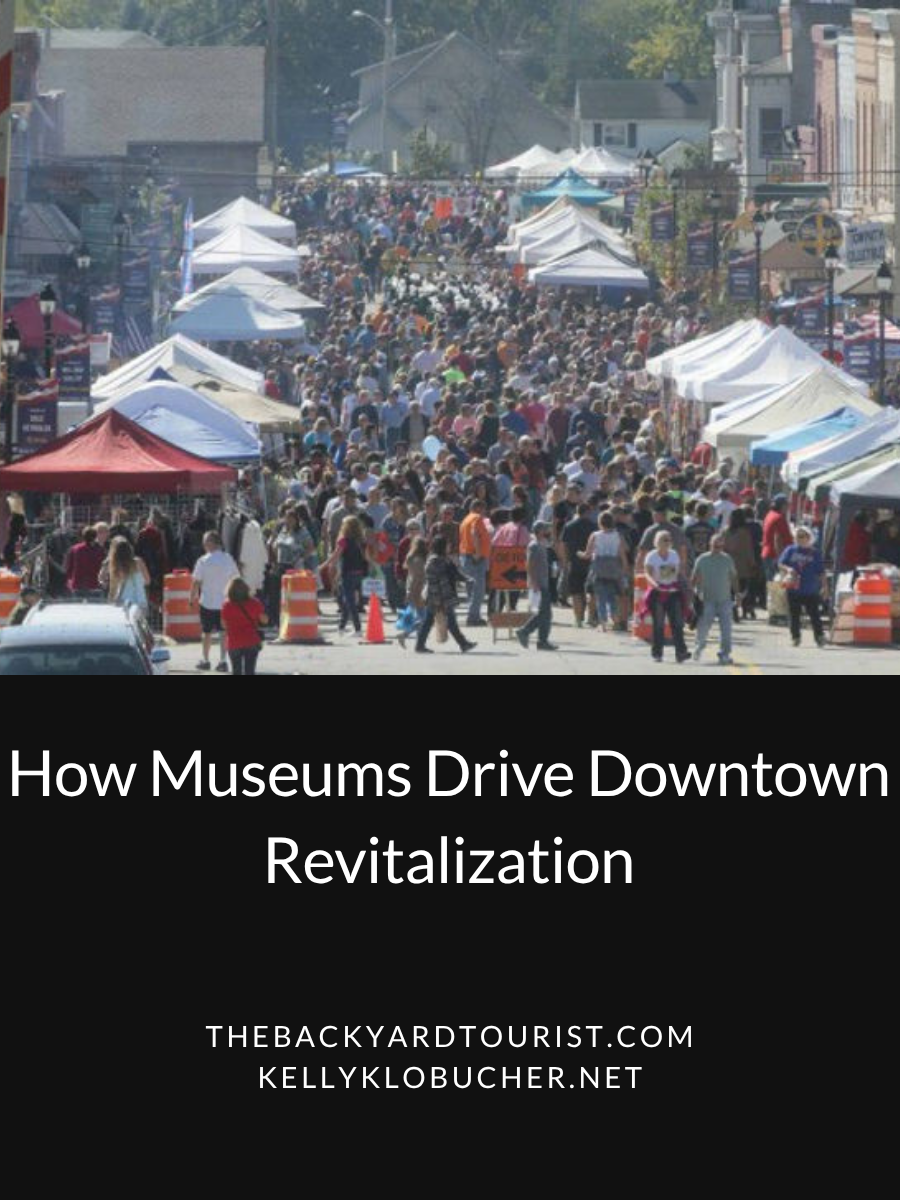
As cultural anchors, museums attract visitors, generate foot traffic, and contribute to a sense of place that draws people into urban centers. Their presence often serves as a catalyst for broader economic activity, supporting nearby businesses and encouraging additional investment.
Downtown revitalization is not just about infrastructure — it is about experience. Museums contribute to this by offering cultural and educational opportunities that make downtown areas destinations rather than pass-through spaces.
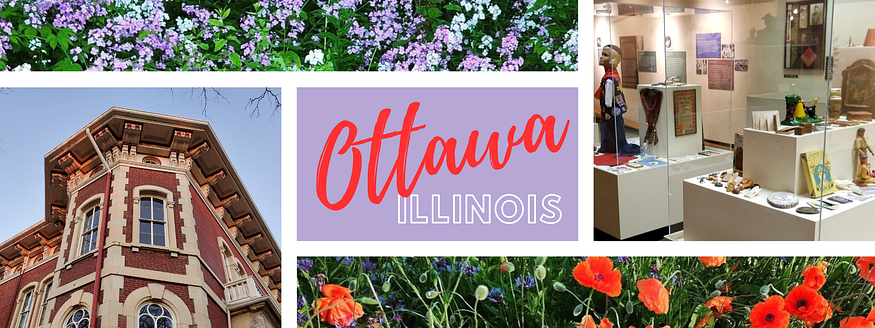
In downtown Ottawa, the Ottawa Scouting Museum and the Reddick Mansion Association serve as complementary cultural anchors that help drive foot traffic and support the surrounding small business district. Visitors drawn to the Scouting Museum’s nationally significant collections and the Reddick Mansion’s richly preserved 19th-century interiors often extend their stay — grabbing lunch, browsing shops, or exploring nearby attractions. Together, these sites create a layered visitor experience that blends heritage tourism with local commerce, even attracting new businesses like, Bold & Curvy Boutique, CatsEye Wine Bar, and A Mess of Things. This vibrant community is reinforcing the idea that museums are not isolated destinations but essential contributors to a thriving downtown economy.
When integrated into a broader strategy, museums can help shape the identity of a city. They tell stories that connect the past to the present, giving both residents and visitors a deeper understanding of place.
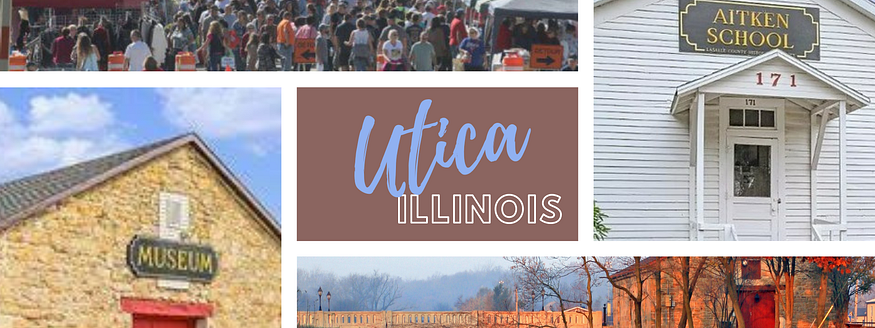
The LaSalle County Historical Society Museum in Utica, IL has long understood that sustaining a small museum requires both tradition and evolution. Its signature event, the beloved Burgoo Festival, has drawn tens of thousands of visitors to Utica for 56 years— anchoring the museum as a regional destination and community gathering point. Building on that success, the organization has strategically expanded its footprint by acquiring and activating additional historic buildings, transforming them into immersive spaces for exhibits, demonstrations, and seasonal programming. This growth has allowed the museum to extend visitation beyond a single marquee weekend, creating year-round reasons to return while reinforcing its role as both a steward of local history and a driver of heritage tourism.
Partnerships are key to this process. Collaboration between museums, local governments, business owners, and tourism organizations creates a cohesive approach to development. Events, programming, and shared initiatives amplify impact and attract diverse audiences.
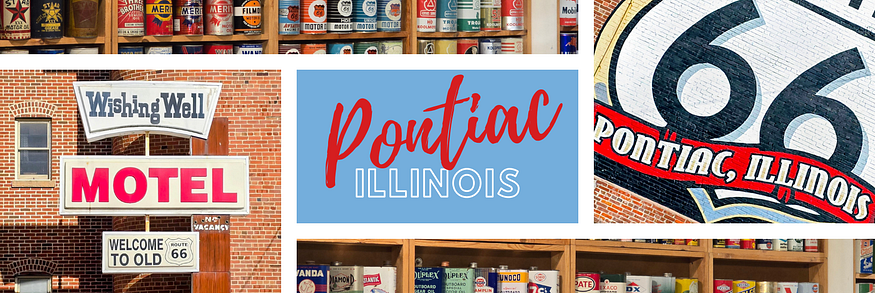
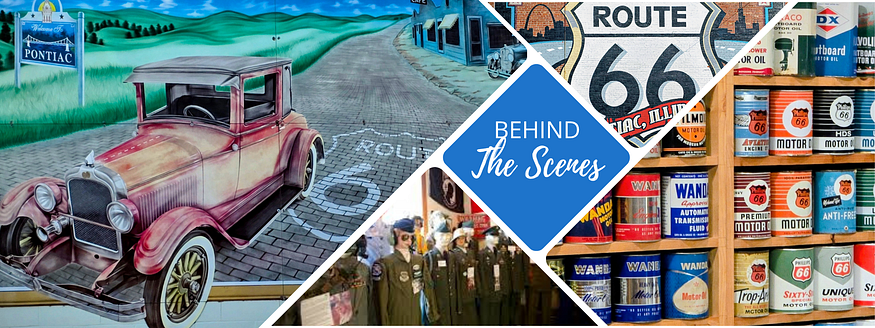
In Pontiac, Illinois, the revitalization of downtown is a powerful example of what can happen when museums and local government work in lockstep. Anchored by the Pontiac Museum Complex — including the Illinois Route 66 Hall of Fame and Museum — the city has intentionally leveraged cultural assets to drive tourism, economic activity, and community pride. Public investment in infrastructure, paired with grassroots and municipal support for museums, public art, and programming, has transformed the historic downtown into a vibrant destination. Initiatives like the now-iconic mural program and Route 66 interpretation projects connect storytelling with placemaking, drawing visitors into the downtown core and encouraging them to linger, shop, and explore. The result is a nationally recognized model of small-town revitalization — where museums are not just passive attractions, but central partners in economic development and identity-building.
Museums also contribute to quality of life. They provide spaces for learning, gathering, and cultural engagement, making downtown areas more vibrant and livable.
The revitalization of downtowns depends on more than economic investment — it depends on creating places where people want to spend time. Museums play a vital role in making that possible.
Kelly Klobucher is a museum executive and cultural tourism strategist focused on audience growth, heritage preservation, economic development, and community storytelling.
 Kelly Klobucher | Museum Executive | Cultural Tourism Strategist | Non-Profit Leader
Leave a comment