Exploring how museums, cultural travel, and storytelling shape communities and economic growth

In a world optimized for speed, there is growing value in choosing to travel slowly.
The scenic route — whether along backroads, historic highways, or small-town corridors — offers something that fast travel cannot: depth. It allows travelers to engage with place, to notice details, and to connect with communities in a more meaningful way.
Cultural travel thrives in this space.
As the U.S. Route 66 approaches its 100th anniversary in 2026, it offers a timely invitation to embrace slow travel — trading speed for depth along one of America’s most storied roads. Rather than rushing from Chicago to Santa Monica, travelers are rediscovering the joy of small towns, roadside attractions, and the local museums that keep Route 66’s history alive.
In small towns along the “First Hundred Miles” of Route 66 in Illinois, and beyond, slowing down means engaging with the people, stories, and landscapes that define the route’s legacy — stopping for a diner conversation, exploring a mural, or stepping inside a community museum. In this centennial moment, Route 66 becomes more than a drive; it becomes a reminder that the journey itself — experienced thoughtfully and intentionally — is the destination.

Along the historic Illinois stretch of U.S. Route 66, the small town of Atlanta is a clear example of how slow travel can spark meaningful economic and cultural revival. By leaning into the rhythm of road trip exploration, Atlanta has expanded its appeal with a growing cluster of small museums and interpretive sites that invite visitors to linger rather than pass through.
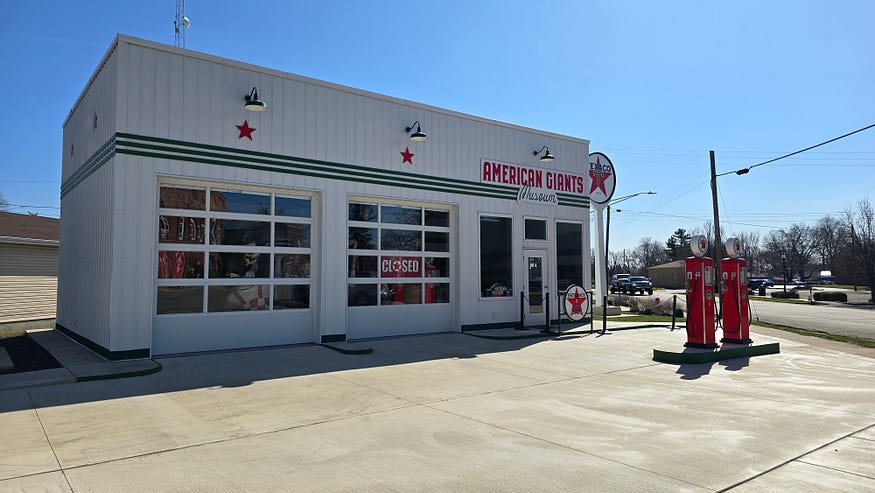
These efforts encourage travelers to stop, explore, and connect — whether that’s stepping into The American Giants Museum, snapping a photo with a roadside icon, or chatting with residents about the town’s history. With the Route 66 centennial drawing increased attention in 2026, Atlanta is preparing for a busy summer season, positioning itself as a must-stop destination where slowing down leads to deeper experiences — and stronger support for local businesses and community storytelling.
When travelers slow down, they visit museums, explore historic districts, and engage with local businesses. They take the time to understand the story of a place rather than simply passing through it.
This kind of travel also benefits communities. Visitors who engage more deeply tend to stay longer and contribute more significantly to local economies. Museums and cultural institutions serve as anchors in this experience, providing context and meaning.
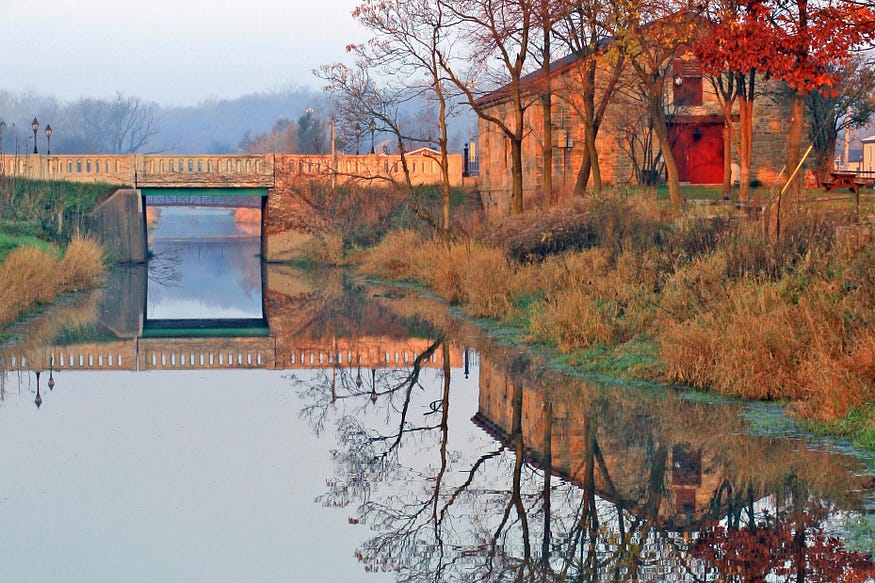
Travelers exploring the historic corridor of the Illinois and Michigan Canal are increasingly embracing a slower pace — one that mirrors the steady rhythm of the canal itself. In towns like Ottawa, LaSalle, Utica, Morris, and Lockport, visitors are trading quick stops for immersive experiences, strolling towpaths, touring local museums, and lingering in historic downtowns. This style of travel invites deeper connection to place — where the story of 19th-century commerce, immigration, and engineering unfolds not in a rush, but through layered exploration. As a result, canal towns are seeing the benefits of longer stays and more engaged visitors, reinforcing the idea that heritage tourism thrives when people slow down long enough to truly experience it.
The scenic route is not just about distance — it is about intention. It reflects a shift toward travel that values authenticity, connection, and story.
As cultural tourism continues to grow, the appeal of slower, more intentional travel will only increase. And along the way, museums will continue to play a central role in shaping those experiences.
Kelly Klobucher is a museum executive and cultural tourism strategist focused on audience growth, heritage preservation, economic development, and community storytelling.


Leave a Reply