Kelly Klobucher is a museum executive and cultural tourism strategist focused on audience growth, heritage preservation, economic development, and community storytelling.
At the very heart of cultural travel is storytelling.
Travelers are not just seeking destinations — they are seeking meaning and connection. They want to understand the places they visit, to connect with their history, and to experience something authentic while standing in the place where history happened.
Storytelling makes this possible.
Museums, historic sites, and cultural institutions serve as storytellers, providing context that transforms a location into an experience. Without these narratives, travel becomes surface-level.
Strong storytelling also creates emotional connection. It helps visitors see themselves within a larger narrative, builds empathy and compassion, making their experience more memorable and impactful.
Thoughtful storytelling in museums and historic sites has the power to do more than inform — it can cultivate empathy, especially when addressing difficult histories such as enslavement, war, civil rights, and immigration. When museums move beyond dates and artifacts to center human experiences — individual voices, personal stories, and lived realities — they invite visitors to see the past not as distant or abstract, but as deeply personal and consequential. By presenting multiple perspectives with honesty and care, museums create space for reflection, helping audiences understand the complexity of history and the people who lived through it. This kind of storytelling does not simplify or soften difficult truths; instead, it provides context and connection, encouraging visitors to engage with the past in a way that fosters understanding, compassion, and a more nuanced view of the world around them. The visitor can see themselves, or their own family in the story.
This is particularly important in heritage tourism, where the goal is not just to preserve the past, but to make it relevant to the present.
Some museums that are really leading the charge in using storytelling to draw and connect with visitors are:
National Museum of African American History and Culture in Washington DC.
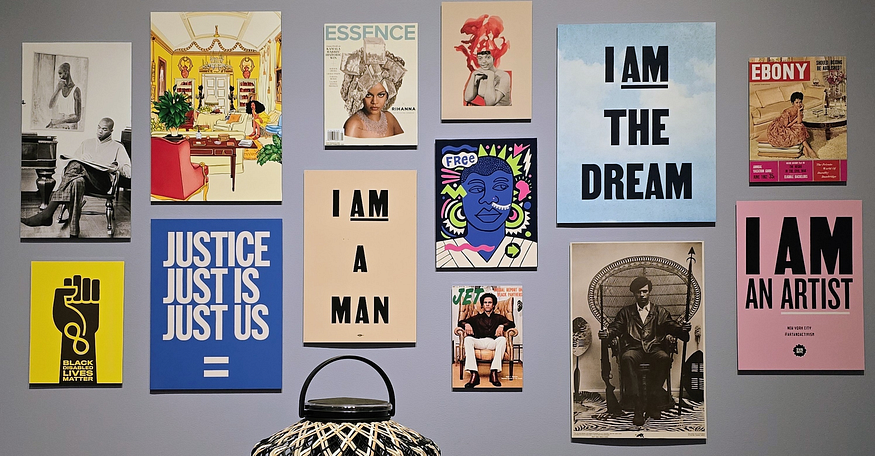
The National Museum of African American History and Culture is part of the Smithsonian campus on the mall in Washington, DC, visitors move chronologically from slavery → civil rights → present. Personal stories, artifacts, multimedia and food are woven together. (Seriously-One of the best meals I have ever had in a museum!)
The experience is intentionally emotional and immersive. It is very heavy content and profoundly powerful. It’s a masterclass in using storytelling to build empathy and historical understanding.
I personally believe that every American would benefit from visiting this museum.
Tenement Museum, New York City
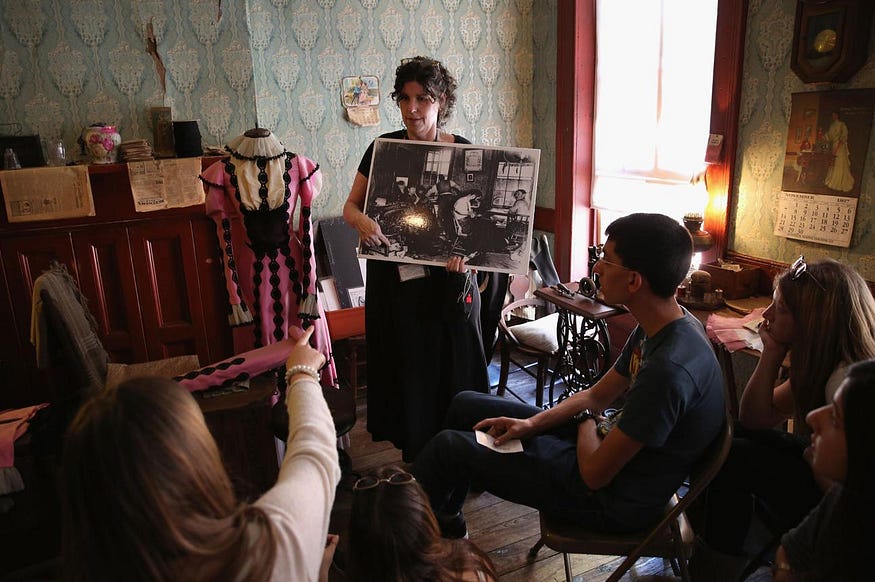
The Tenement Museum is built almost entirely on individual human stories. Real apartments are restored to reflect various immigrant families from different times and places. Tours center on specific people and lived experiences using primary resources. This museum excels at making history feel personal, immediate, and relatable. It is a must see for anyone who visits New York City.
United States Holocaust Memorial Museum, Washington, DC
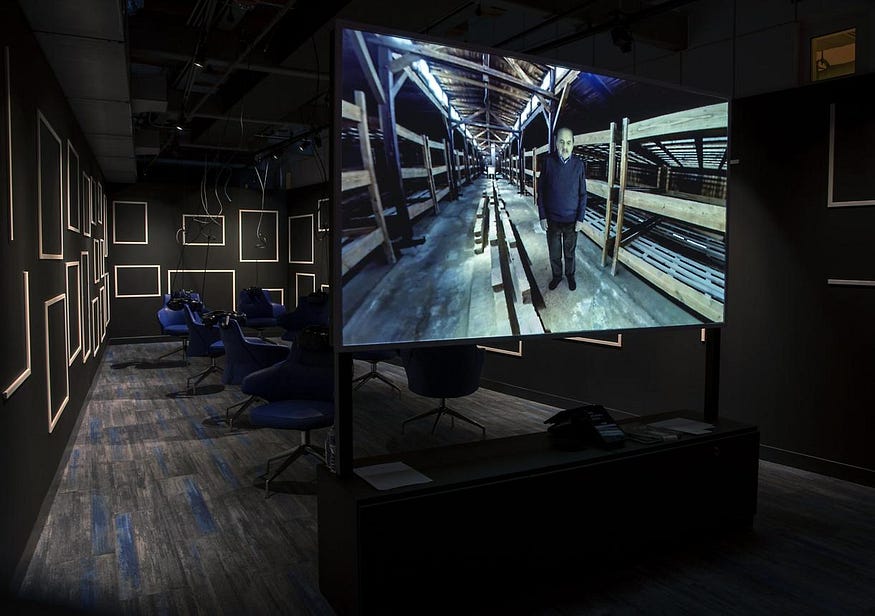
The United States Holocaust Memorial Museum is one of the most powerful examples of immersive narrative design. Visitors receive identity cards tied to real individuals and travel through the museum. The exhibits unfold as a structured narrative journey. The museum seamlessly combines artifacts with testimony and multimedia and demonstrates how storytelling can humanize large-scale tragedy.
National WWII Museum, New Orleans
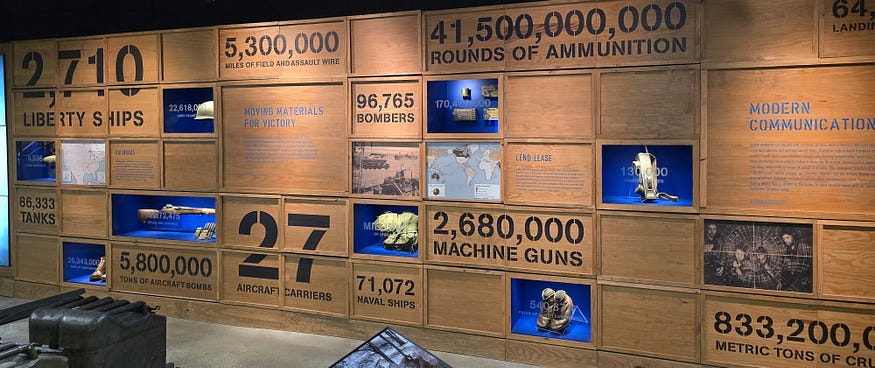
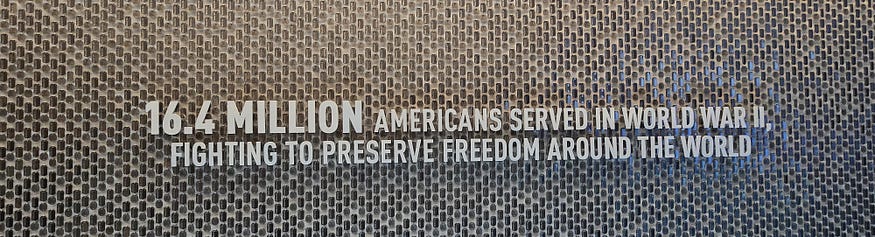
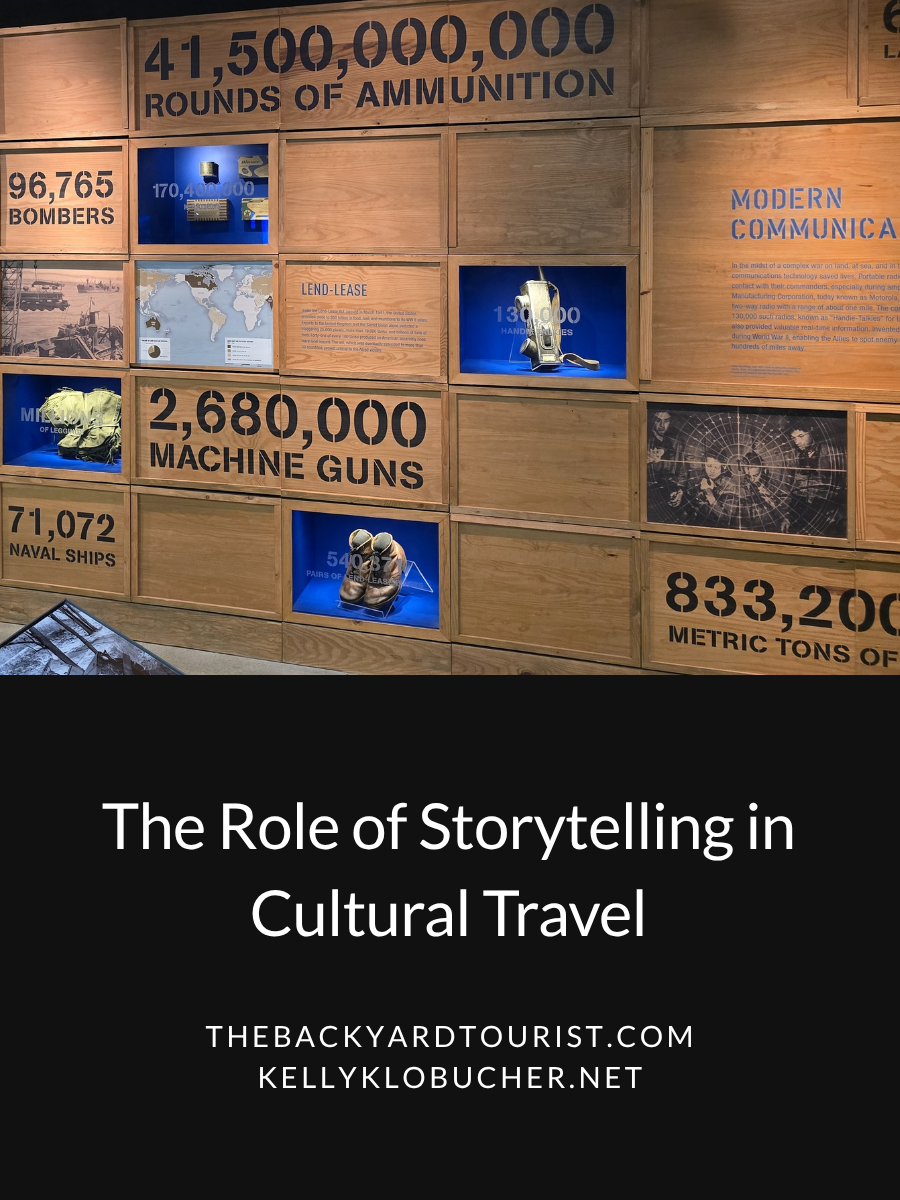
A leader in immersive, cinematic storytelling. The museum uses personal narratives of soldiers and civilians and incorporates film, oral history, and interactive exhibits. The museum is designed like a narrative arc rather than separate galleries. Shows how museums can blend history + experience + emotion. The result is profoundly powerful.
Pop Culture
Rick Steves stands as one of the original and most beloved voices in cultural travel, shaping how generations of travelers approach the world with curiosity, respect, and a desire for deeper understanding. Through his long-running PBS series, Rick Steves’ Europe, he has spent decades encouraging viewers to look beyond landmarks and instead engage with the people, traditions, and everyday rhythms that define a place. His approach — thoughtful, accessible, and rooted in storytelling — helped pioneer a style of travel that prioritizes connection over consumption, laying the groundwork for the kind of cultural exploration that continues to resonate with travelers today.
In the late 1990s and early 2000s, the Travel Channel helped redefine how audiences experienced the world from their living rooms, shifting travel television from straightforward destination guides to personality-driven storytelling. This era saw the rise of breakout stars who made travel feel immersive, unpredictable, and deeply human. Figures like Samantha Brown brought warmth and accessibility to cultural exploration, while Andrew Zimmern pushed boundaries by highlighting global food traditions through curiosity and respect. At the same time, Anthony Bourdain transformed the genre entirely, using food as a lens to examine culture, politics, and identity in a way that resonated far beyond tourism. The trend was clear: audiences were no longer satisfied with “what to see” travel — they wanted context, authenticity, and connection. This shift laid the groundwork for today’s cultural travel movement, where storytelling, local voices, and lived experience take center stage.
Today’s travel landscape is defined by a dynamic mix of blogs, vlogs, and social media creators who have transformed how people discover and experience destinations. Platforms like Instagram, YouTube, and TikTok have shifted influence away from traditional media toward individuals who document their journeys in real time, often blending storytelling with practical guidance. Travel blogs still provide depth — detailed itineraries, historical context, and long-form reflection — while vlogs offer immersive, visual experiences that bring viewers along for the ride. Influencers, at their best, serve as modern interpreters of place, highlighting not only where to go, but how it feels to be there. At the same time, this ecosystem has introduced new challenges, including the tension between authenticity and commercialization, and the risk of overexposure for fragile destinations. The most impactful voices today are those who move beyond surface-level content, embracing cultural context, local perspectives, and responsible travel — continuing the evolution of travel storytelling into something more thoughtful, inclusive, and connected.
What does this mean for Cultural Institutions?
Museums don’t need to reinvent themselves to compete in today’s travel media landscape — they need to use the same tools storytellers are already using, with intention and consistency.
Short-Form Video: Make your museum feel alive!
Platforms like Instagram and TikTok reward short, engaging video. Museums can show behind-the-scenes work (installing exhibits, conservation), Let curators explain one object in 30–60 seconds. Capture moments during events or visitor experiences This shifts perception from “static institution” to active, human, and evolving place. Check out what the 1820 Colonel Benjamin Stephenson House is doing to engage new guests on TikTok!
Go Deeper on YouTube with Long-form video
Just like travel vlogs, museums can create Mini-documentaries about exhibits, Virtual tours, Interviews with historians or community members. This builds authority + search visibility and gives audiences a reason to engage before they visit.
Own the Narrative with Blogs
Museums should treat blogs the way travel writers do. Tell the story behind an exhibit. Highlight lesser-known artifacts. Connect local history to broader themes. Blogs are where museums can provide depth, context, and SEO power.
Collaborate with Creators
Instead of trying to do everything in-house, museums can partner with Local influencers, Travel bloggers, and History-focused creators. These collaborators bring built-in audiences, fresh perspectives, and authentic storytelling styles.
Focus on Experience, Not Just Information
Modern audiences don’t just want facts — they want to know what they will feel when they visit? What surprises lie ahead? Why does this place matter?
Museums should create content that answers those questions through Personal stories/Primary resources, Emotional hooks and relevant stories, Real visitor experiences. Stop marketing “collections”
Start telling stories about people, place, and meaning.
Using these tools helps museums reach new audiences where they already are, compete with travel content (not get lost behind it), build anticipation before a visit and strengthen their role in cultural tourism.
Museums already have what influencers are trying to create: authentic stories, real places, and meaningful experiences. The advantage isn’t content — it’s how that content is shared.
As cultural travel continues to grow, the role of storytelling will only become more important. It is the thread that connects people to place — and the reason why some travel experiences stay with us long after we return home.
Kelly Klobucher is a museum executive and cultural tourism strategist focused on audience growth, heritage preservation, economic development, and community storytelling.


Leave a Reply