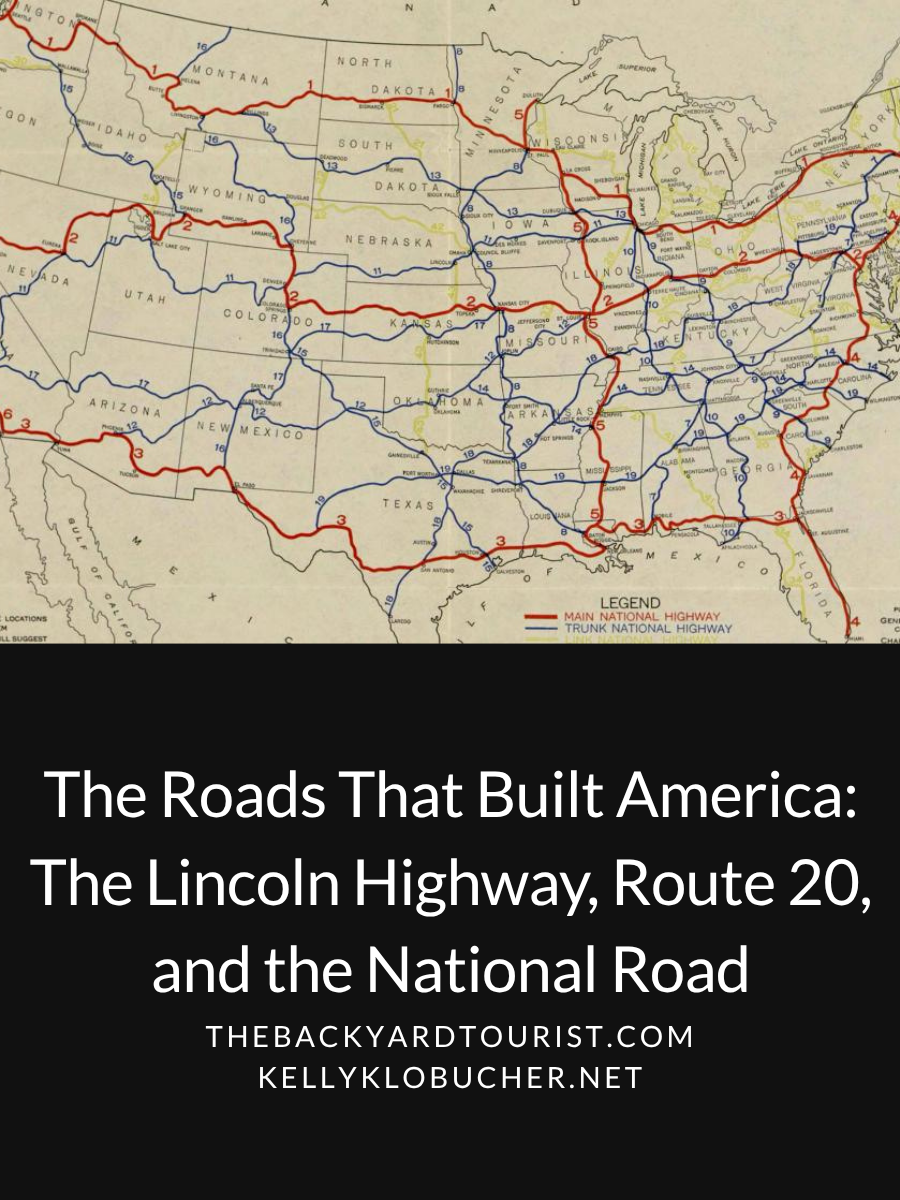
The Roads That Built America: The Lincoln Highway, Route 20, and the National Road
Long before interstate highways reshaped the American landscape, a network of historic roads connected communities, carried commerce, and helped define how Americans experienced travel. Among the most significant are the Lincoln Highway, U.S. Route 20, and the National Road — three corridors that, in different eras, helped knit together a growing nation and laid the foundation for modern road travel.
These roads are more than routes on a map. They are stories of ambition, innovation, and movement — pathways that shaped not only how Americans traveled, but how they understood distance, opportunity, and place.
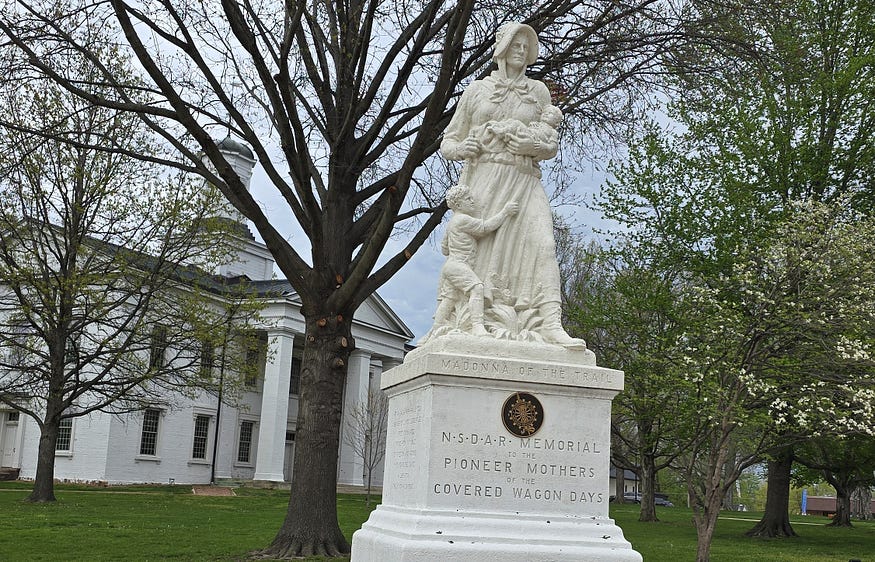
The National Road: America’s First Federal Highway
The story begins with the National Road, often called the Cumberland Road, the first major federally funded highway in the United States. Authorized in the early 19th century, it connected the eastern seaboard to the expanding western frontier, beginning in Maryland and stretching through Pennsylvania, Ohio, Indiana, and into Illinois.
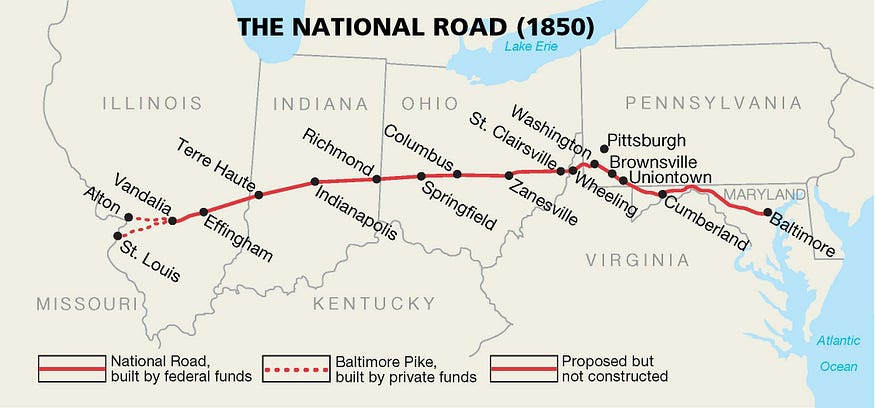
At a time when westward expansion defined the national identity, the National Road served as a critical artery for migration and trade. Wagons, stagecoaches, and livestock moved along its path, carrying people and goods into new territories. Taverns, inns, and small towns sprang up along the route, many of which still exist today.
The National Road established something fundamental: the idea that infrastructure could shape the future of the country. It demonstrated that roads were not just local concerns, but national priorities — tools for economic growth and connection.
The Lincoln Highway: A Vision of Coast-to-Coast Travel
By the early 20th century, the automobile was transforming American life, and a new kind of road was needed. Enter the Lincoln Highway, conceived in 1913 as the first transcontinental highway for automobiles.
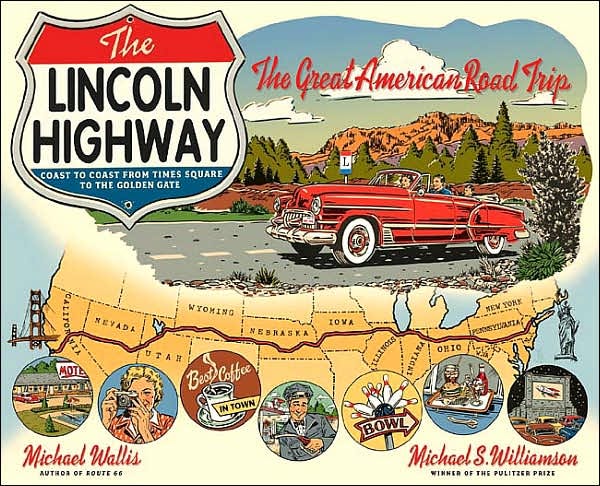
Stretching from Times Square in New York to Lincoln Park in San Francisco, the Lincoln Highway was not a single constructed road, but a coordinated route that linked existing roads into a continuous path across the country. It was both a practical solution and a powerful idea: that Americans could drive from coast to coast.
The highway helped promote the Good Roads Movement, encouraging investment in better road infrastructure nationwide. It also introduced a new kind of travel — one defined by freedom, exploration, and personal experience.
Along the Lincoln Highway, communities adapted to serve travelers. Gas stations, roadside diners, motor courts, and tourist attractions began to appear, creating an early version of the American road trip economy. Many of these places, preserved or reimagined, still contribute to cultural tourism today.
Route 20: The Longest Road Across America
Running from Boston, Massachusetts to Newport, Oregon, U.S. Route 20 is the longest road in the United States. While perhaps less iconic in popular culture than some of its counterparts, it is deeply significant in its scope and continuity.
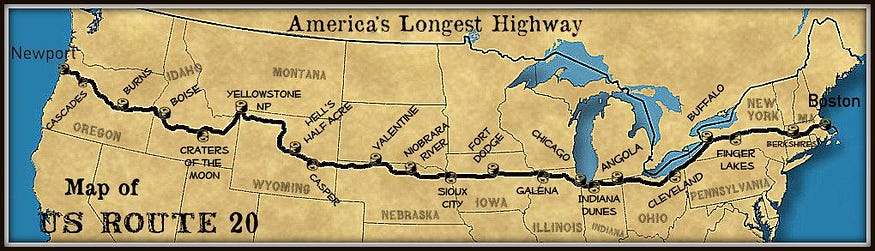
Route 20 connects urban centers, rural landscapes, and historic towns, offering a cross-section of American geography and experience. It passes through regions shaped by industry, agriculture, and migration, reflecting the diversity of the country in a single corridor.
For travelers willing to take the time, Route 20 offers a different kind of journey — one that emphasizes depth over speed. It invites exploration of smaller communities and lesser-known destinations, many of which rely on heritage tourism as a vital part of their local economies.
Roads as Cultural Corridors
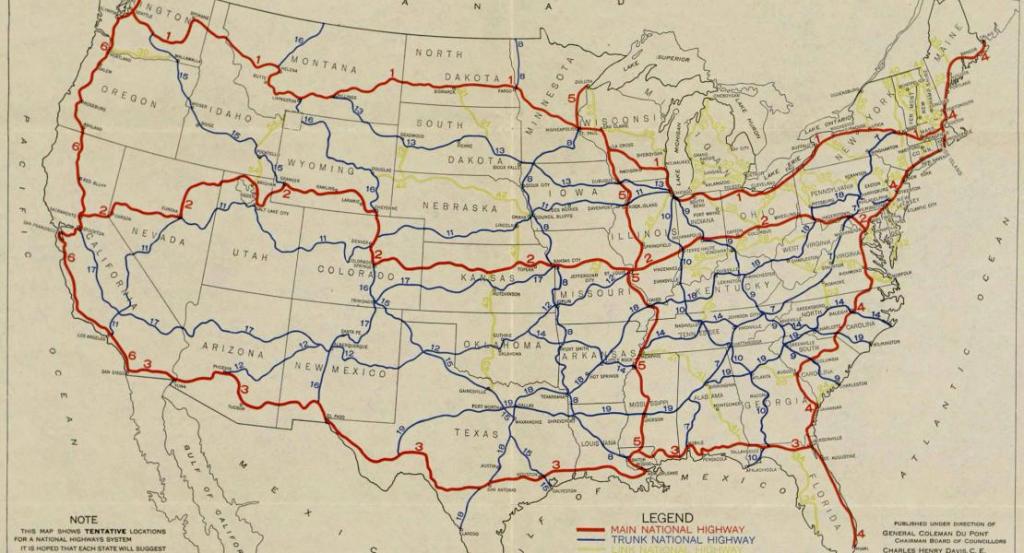
Together, these roads represent different chapters in the story of American mobility. The National Road speaks to early expansion and federal investment. The Lincoln Highway reflects the rise of the automobile and the dream of cross-country travel. Route 20 embodies continuity, scale, and the enduring importance of connecting places.
But beyond their historical significance, these roads continue to matter today.
They are cultural corridors — routes where history is visible and tangible. Museums, historic sites, preserved buildings, and local businesses line these paths, offering travelers opportunities to engage with the past in meaningful ways. They support small towns, encourage slower travel, and provide alternatives to the efficiency of interstate highways.
In an era defined by speed, these historic roads offer something different: a chance to slow down, to notice, and to connect.
The Enduring Value of the Journey
Modern highways may have shortened travel times, but they have also, in many ways, bypassed the stories that once defined the American journey. The Lincoln Highway, Route 20, and the National Road remind us that travel is not just about reaching a destination — it is about the experience along the way.
For museums and cultural institutions, these roads represent powerful opportunities. They are natural partners in storytelling, linking places and narratives across regions. They invite collaboration, interpretation, and engagement with audiences seeking deeper connections to place.
As interest in cultural tourism continues to grow, these historic corridors are being rediscovered. Travelers are once again choosing the scenic route, drawn by authenticity, history, and the promise of meaningful experience.
The roads that once built America are now helping tell its story — and for those willing to follow them, that story is still unfolding.
Kelly Klobucher is a museum executive and cultural tourism strategist focused on audience growth, heritage preservation, and community storytelling.


Leave a Reply