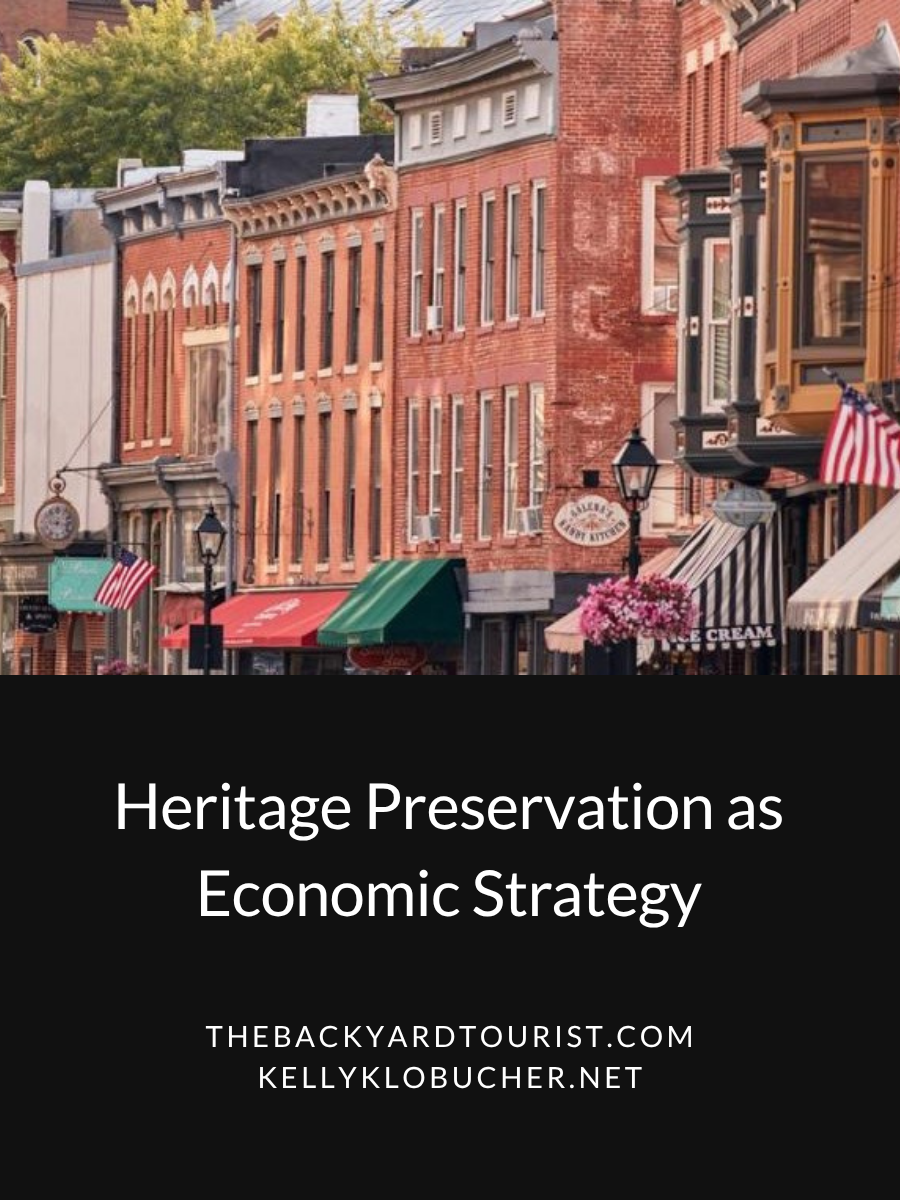
Preserving historic places is often framed as a cultural responsibility. But it is also a powerful economic strategy.
Historic buildings, museums, and heritage sites attract visitors seeking authentic experiences. These visitors contribute to local economies through dining, lodging, shopping, and repeat travel.
Preservation also supports long-term sustainability. Reusing existing structures reduces environmental impact while maintaining the character and identity that make communities unique.
In many Midwestern towns, heritage assets are among the most valuable resources available. When leveraged effectively, they can drive tourism, support small businesses, and contribute to downtown revitalization.

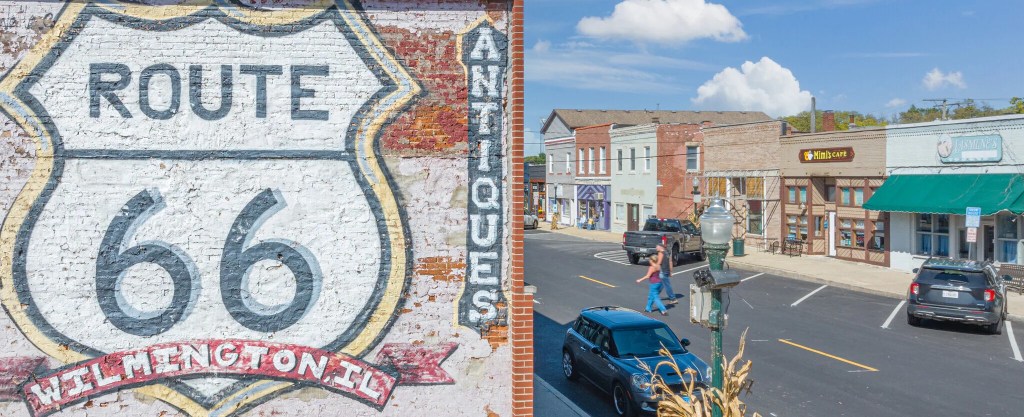
Wilmington, Illinois offers a compelling example of how a single preserved landmark can become a catalyst for broader community identity and tourism. Best known for the return and preservation of the Gemini Giant along U.S. Route 66, Wilmington recognized that roadside icons are more than nostalgic attractions — they are economic assets. The Gemini Giant’s preservation generated media attention, visitor traffic, and renewed excitement around the community’s Route 66 heritage. In many small towns, preserving a beloved landmark is not simply about saving an object; it is about preserving a story that visitors actively seek out and communities proudly embrace.
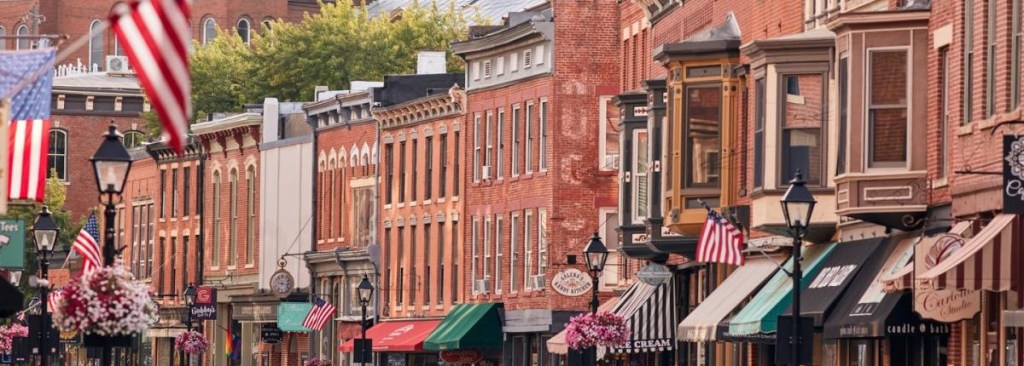
Galena, Illinois is perhaps one of Illinois’ strongest examples of historic preservation as an economic strategy. Rather than replacing its architectural heritage with new development, Galena invested in preserving its historic downtown, where more than a century of buildings continue to define the visitor experience. Today, the city’s walkable streets, boutique businesses, historic inns, and preserved character attract visitors year-round. Galena demonstrates that preservation can become more than a planning philosophy — it can become the foundation of a local economy and a community identity.
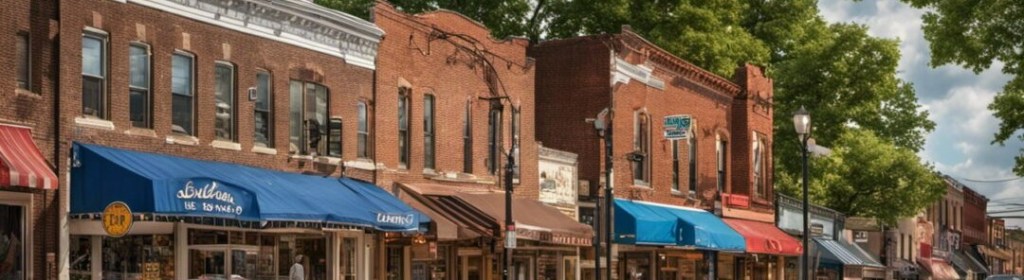
Arthur, Illinois presents a different model of preservation, one centered on culture and tradition. Known for its significant Amish population, Arthur’s appeal is rooted not only in historic buildings but in the preservation of ways of life, craftsmanship, and cultural practices. Visitors come seeking authenticity and connection, drawn by experiences that feel grounded in place and continuity. Arthur reminds us that preservation extends beyond architecture; communities can preserve traditions, stories, and cultural identity in ways that create meaningful and sustainable tourism experiences.
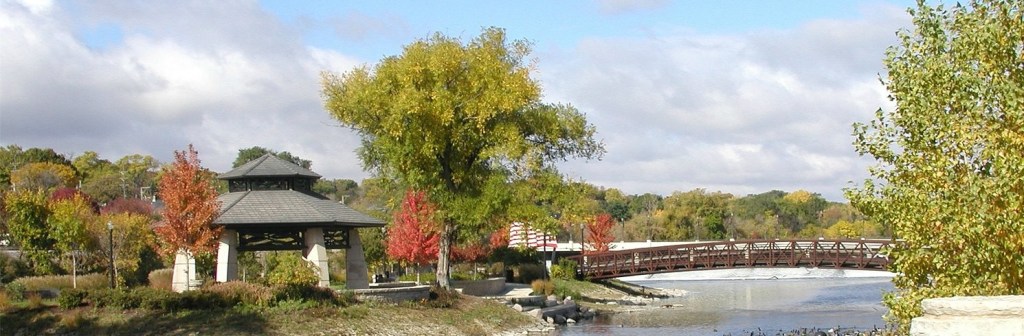
Elgin, Illinois has increasingly recognized historic preservation as part of a larger strategy for downtown revitalization and community investment. Through the preservation of historic neighborhoods, adaptive reuse projects, and continued investment in downtown assets, Elgin has embraced the idea that older buildings contribute to both economic vitality and quality of life. Preservation in Elgin has helped create a stronger sense of place — demonstrating that historic structures are not obstacles to growth, but assets capable of attracting residents, visitors, and investment.
Together, these communities illustrate an important lesson: preservation works best when it is not viewed as looking backward, but as a tool for building a stronger future.
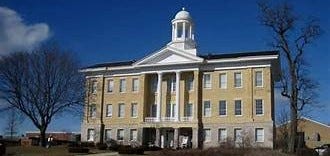
Museums play a central role in this ecosystem. They provide context, interpretation, and storytelling that enhance the visitor experience and encourage deeper engagement.
Viewing preservation through an economic lens does not diminish its cultural value — it strengthens it. It recognizes that protecting the past can also support the future.
Communities that invest in preservation are not only safeguarding history — they are creating opportunities for growth.
Kelly Klobucher is a museum executive and cultural tourism strategist focused on audience growth, heritage preservation, economic development, and community storytelling.


Leave a Reply