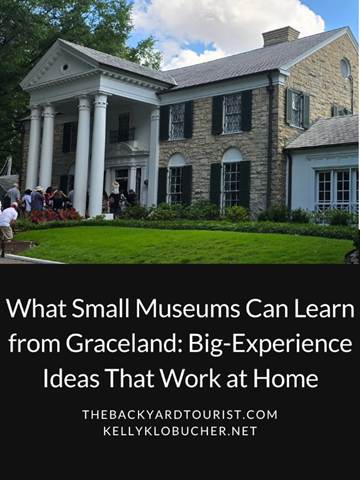
It is easy to dismiss Elvis Presley’s Graceland as a category all its own.
Of course Graceland can create an immersive visitor experience, we tell ourselves. Of course it can offer multiple tour tiers, sell a mountain of merchandise, move people efficiently through exhibits, and keep them spending from arrival to departure. It has Elvis. It has brand recognition. It has decades of tourism momentum behind it. Most local history museums, historic house museums, and regional cultural sites do not have a global music icon, a private jet exhibit, or an audience primed to buy blue suede shoe souvenirs before they even park the car.
All of that is true.
And yet Graceland is still worth studying—not because small museums should try to imitate it literally, but because it demonstrates a set of visitor-experience principles that can be scaled down, adapted, and translated almost anywhere. Underneath the celebrity and spectacle, Graceland is doing something museums of all sizes need to do: it tells a compelling story, uses technology to deepen engagement, makes it easy for visitors to extend their stay and spend money, and offers different levels of access for different audiences and budgets.
In other words, Graceland is not just a tourist attraction. It is a case study in experience design.
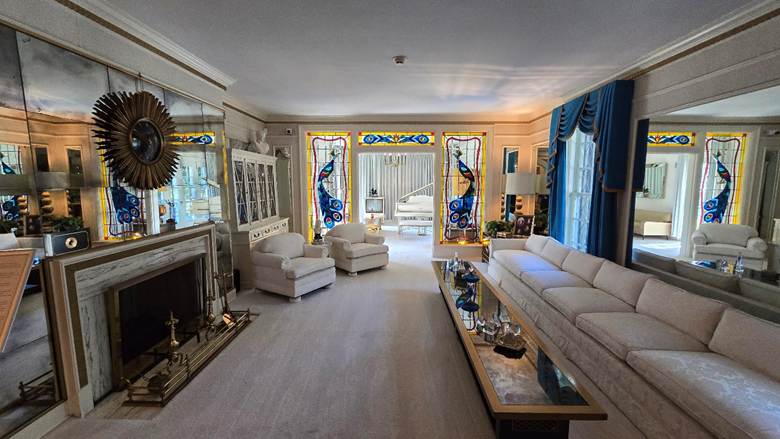
For small museums, the question is not “How do we become Graceland?” The better question is: What can a place like Graceland teach us about how to make our own site more engaging, more financially sustainable, and more memorable—without losing our mission or pretending to be something we’re not?
Start with the Story, Not the Stuff
The most important lesson Graceland offers has nothing to do with gift shops or VIP tickets. It starts with storytelling.
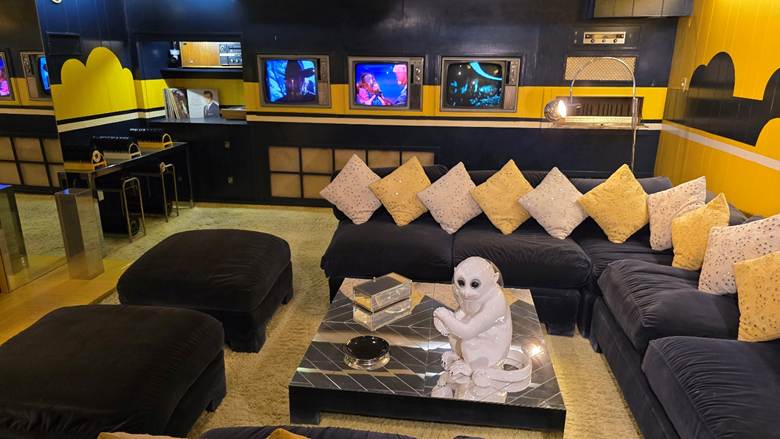
Visitors do not go to Graceland simply to see a house full of objects. They go because Graceland presents those objects within a clear, emotionally resonant narrative: Elvis’s rise, his fame, his home life, his image, his music, and his place in American culture. The furniture, cars, jumpsuits, records, family photos, and personal belongings matter because the story makes them matter. The site doesn’t assume visitors will automatically care about every artifact. It does the work of framing why they should.
That is a lesson every small museum can use.
A local history museum may not have Elvis’s airplanes, but it probably has objects, photographs, rooms, or archival materials that are being underused because they are presented as information rather than as story. Visitors remember stories. They remember conflict, personality, transformation, humor, tension, surprise, and emotional stakes. They remember the stubborn widow who saved the family farm, the factory worker who reinvented the town after the railroad left, the local doctor who treated influenza patients during a crisis, or the immigrant shopkeeper whose business became a neighborhood anchor.
Small museums often have extraordinary stories hiding in plain sight. What they need is not more content, but sharper storytelling.
What this can look like in a small museum:
- Rewriting labels and tours around people, stakes, and change over time rather than just dates and object identification
- Building exhibits around a central question—How did this town survive? Who built this neighborhood? What did this house mean to the family who lived here?
- Creating stronger narrative arcs in guided tours so visitors feel they are following a story, not just moving room to room
- Using first-person quotes, diary entries, oral histories, and community memories to make the past feel inhabited
Graceland works because it understands that artifacts are not the product. The story is the product. The artifacts support it.
Use Technology to Deepen the Visit, Not Just Modernize It
One of the smartest things Graceland does is use technology in service of storytelling and visitor flow rather than as a gimmick. Audio tours, video interpretation, immersive exhibits, and digital content help visitors move through the site with context, pacing, and a sense of immersion. Technology there is not replacing the experience; it is shaping it.
Small museums can take this lesson without spending Graceland money.
The key is not to ask, “What tech should we buy?” The better question is, “Where does technology solve a visitor problem or make the story easier to feel?”
Maybe your historic house has rooms that are hard to interpret because the original furnishings are gone. A tablet-based before-and-after reconstruction or a short projection could help visitors imagine the space. Maybe your town museum has a wonderful oral history collection nobody hears. A simple listening station or QR code audio clip could bring those voices into the gallery. Maybe your site has a self-guided audience but no staff capacity to offer constant tours. A phone-based audio guide or a few strategically placed short videos could make the visit feel guided even when it isn’t.
Right-sized technology ideas for smaller museums:
- QR codes linked to short audio clips from curators, community members, or descendants
- Phone-based self-guided tours rather than expensive custom hardware
- Short video loops that show historic footage, restoration work, or expert commentary
- Touchscreen timelines or interactive maps for sites with layered local history
- Simple projection or soundscapes to bring an otherwise static room to life
- Digital scavenger hunts or family-friendly interactives that keep younger visitors engaged
The important thing is that technology should make interpretation more vivid, more accessible, or more flexible. It does not need to be flashy to be effective. A well-produced three-minute audio story can do more for a visitor experience than an expensive touchscreen full of text no one reads.
Make It Easy—and Appealing—for Visitors to Spend More
This is the lesson museums sometimes resist talking about openly, even though it matters enormously: Graceland is exceptionally good at giving visitors opportunities to spend money without making the experience feel purely transactional.
There are obvious revenue streams—tickets, merchandise, food, parking, add-ons—but the larger point is that Graceland treats visitor spending as part of the overall experience design. The retail is thematically connected. The food feels like part of the destination. The upgraded tours feel like meaningful upgrades, not random upsells. The visitor does not have to work very hard to find the next thing to do, buy, eat, or add on.
Small museums should pay attention to that.

Too often, museum gift shops feel like an afterthought, food offerings are nonexistent or disconnected, and opportunities for secondary spending are hidden, awkward, or apologetic. Visitors who are already in a good mood and having a meaningful experience are often happy to spend a little more—if what you’re offering feels relevant, easy, and worth it.
Ways smaller museums can apply this:
- Curate museum stores around place-based products that feel specific to your story, not generic souvenirs
- Create low-cost signature items visitors can easily impulse-buy: postcards, magnets, local food products, reproduction images, branded notebooks, children’s items, themed candles, or historically inspired snacks
- Partner with a nearby bakery, coffee shop, brewery, or café to create a museum-themed food or drink offering
- Add picnic boxes, coffee carts, or seasonal concessions if full food service isn’t realistic
- Bundle products with the visit: a family activity kit, a self-guided walking map, a book-and-ticket package, or a VIP add-on that includes a souvenir
- Make sure people can actually find and access the retail area without awkward backtracking or confusion
The goal is not to squeeze every dollar from visitors. It is to recognize that spending can be part of the pleasure of the trip. If someone has driven an hour or two to visit your museum, they may well want a good lunch, a book, a keepsake, a local product, or a special add-on that helps the day feel complete. Help them do that.
Think in Terms of a “Trip,” Not Just a Museum Visit
Graceland is not selling a forty-five-minute house tour. It is selling a destination experience.
That mindset is especially useful for smaller museums in heritage tourism markets. Visitors are rarely evaluating your museum in isolation. They are deciding whether your site is worth an afternoon, a day trip, or a weekend stop. The more your museum can help shape the whole outing, the more valuable it becomes.
This does not mean you need a giant campus. It means you should think about what else can accompany the museum visit so the experience feels fuller.
Questions small museums should ask:
- Where should visitors eat nearby, and are we telling them?
- Is there a walking tour, scenic drive, historic cemetery, downtown shopping district, or local attraction that pairs naturally with our site?
- Could we create a “make a day of it” itinerary and hand it to visitors at check-in?
- Could we partner with other attractions for a passport program or bundled ticket?
- Do we offer enough seating, shade, coffee, restrooms, and downtime to make people comfortable lingering?
Small museums do not have to provide every part of the experience themselves. But they can absolutely curate it. Graceland understands that people travel for a layered experience. Local museums should think that way too.
Offer More Than One Way to Visit
One of Graceland’s most practical lessons is its tiered approach to access.
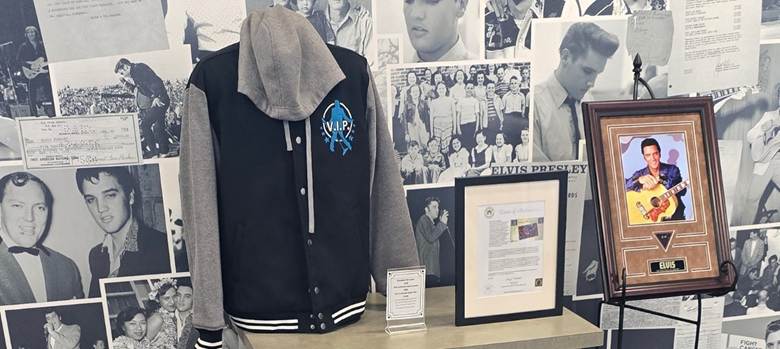
Not every visitor wants the same experience. Some want the standard tour and are perfectly happy with that. Others want backstage details, extra exhibits, lower crowds, guided interpretation, or bragging-rights access—and they are willing to pay more for it. Graceland meets those different audiences with a range of ticket types and experiences.
Small museums can do this too, even at a very modest scale.
The mistake is assuming that “tour” is a single product. In reality, most museums can offer multiple versions of the visit without building an entirely new operation.
A right-sized tour menu might include:
General Admission
A self-guided visit, standard house tour, or general museum access at an accessible price point.
Guided Highlights Tour
A scheduled docent-led tour with extra interpretation, available once or twice a day for a modest upcharge.
Behind-the-Scenes Tour
Access to collections storage, the attic, the archives, the basement, the restoration workshop, or spaces not normally open to the public.
Curator’s Tour or Director’s Tour
A premium small-group experience for enthusiasts, members, donors, or visitors who want deeper access.
Themed Specialty Tours
Architecture tours, ghost tours, women’s history tours, food-history tours, garden tours, or holiday tours—whatever fits the site.
Family Tours or Kids’ Experiences
A shorter, more interactive version designed for parents and children.
Private Group or VIP Tours
Priced at a premium and bundled with a drink reception, a take-home gift, or a special add-on.
The point is not to become gimmicky. It is to recognize that some visitors want more access, more interpretation, or more intimacy—and will pay for it if the offer feels meaningful.
Premium Experiences Work Best When They Feel Special, Not Just Expensive
This is where some museums get nervous, especially smaller nonprofit institutions that worry about seeming commercial. But premium experiences are not inherently crass. They become problematic only when they feel cynical or disconnected from mission.
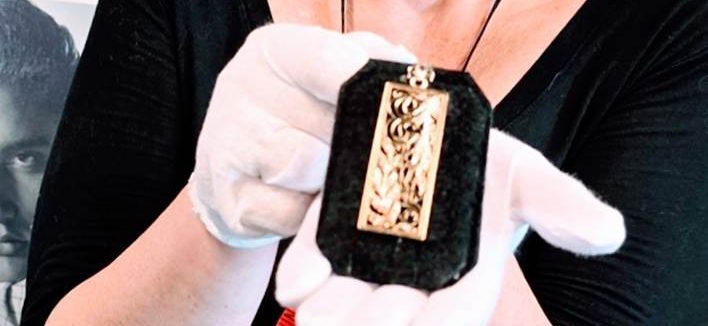
Graceland’s higher-tier experiences work because they promise something tangible: deeper access, more exclusivity, more time, fewer crowds, better interpretation, or an enhanced emotional connection to the place. Small museums can absolutely borrow that logic.
A premium tour at a small historic site might include:
- early entry before the museum opens
- a glass of wine on the veranda after hours
- access to archives or conservation spaces
- a curator-led object handling session
- a private photography tour
- a special seasonal meal, tea, or tasting
- a signed catalog or locally made keepsake included in the price
That kind of experience does not require Graceland-scale resources. It requires imagination, clarity, and the confidence to price the experience according to its value.
The Real Lesson Is Not “Be Bigger.” It’s “Be More Intentional.”
That, ultimately, is the most useful takeaway from Graceland.
The lesson is not that small museums need more spectacle, more celebrity, or more square footage. The lesson is that successful destinations are intentional about how visitors move through a place, how they encounter the story, how they spend money, how they choose among different levels of access, and how the visit fits into a broader day-trip experience.
Small museums can do all of that.
They can tell sharper stories. They can use modest technology in smarter ways. They can make earned revenue opportunities feel integrated rather than apologetic. They can design multiple tour options that serve different audiences. They can partner with local food businesses, create signature retail, and build itineraries that help visitors spend a whole day in town rather than forty-five minutes in a gallery.
They do not need Elvis’s mansion to do it. They need a strong sense of their own value and the willingness to design the experience around how visitors actually travel.
Final Thoughts
Graceland is easy to treat as an outlier, but that would be a mistake.
Yes, it operates at a scale most museums will never match. Yes, celebrity changes the economics. But beneath the rhinestones and record sales is a site that understands something every museum should understand: visitors are not just buying admission. They are buying a story, a memory, a feeling, and a day they will decide was worth leaving home for.
Small museums can offer that too.
Not by pretending to be Graceland, but by borrowing the underlying principles and scaling them to fit their own mission, community, and capacity. Tell a stronger story. Use technology where it actually helps. Give visitors more than one way to experience the site. Make it easy for them to linger, spend, and connect the museum to the rest of their trip. That is not selling


Leave a Reply