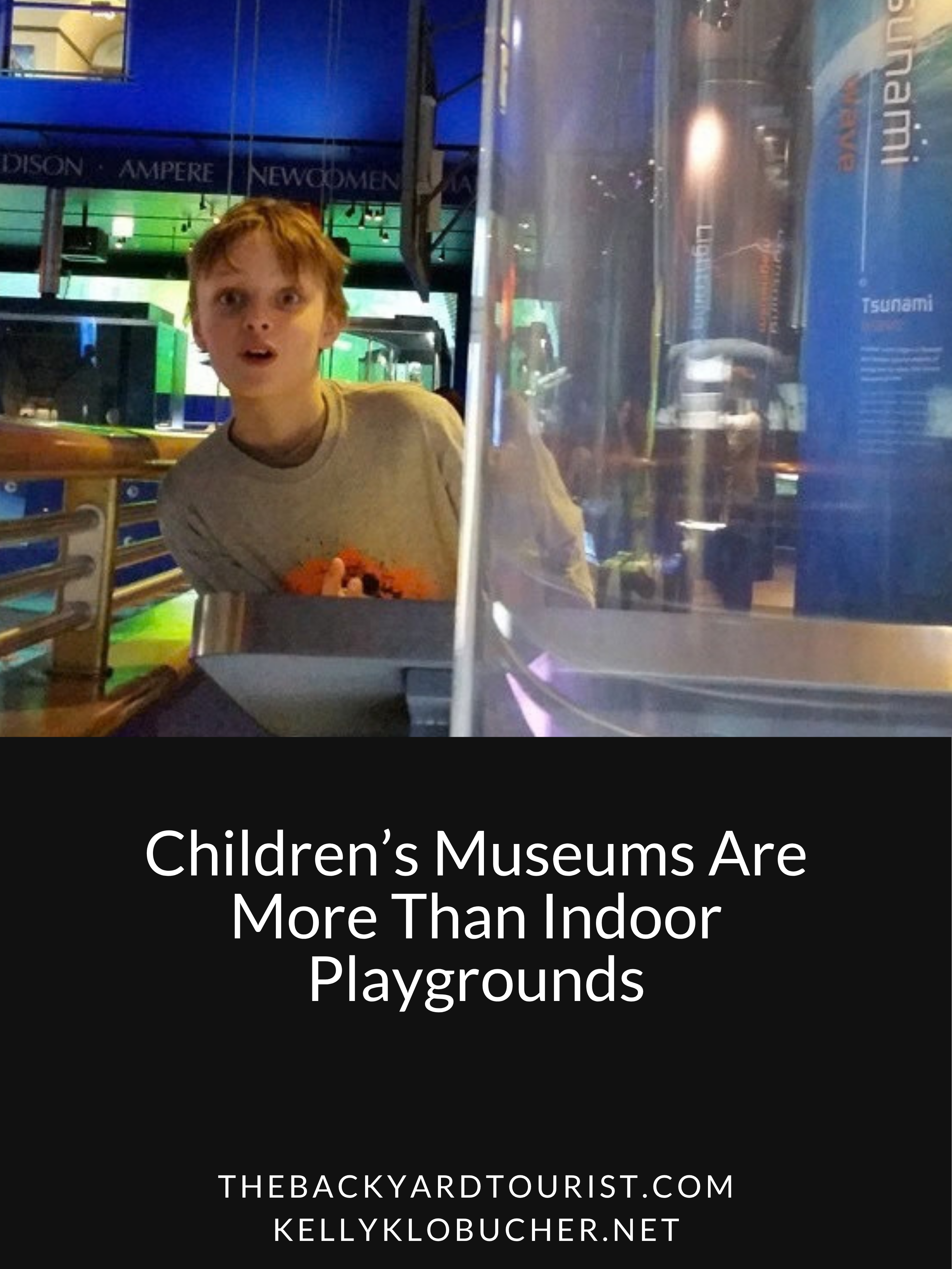
I have spent much of my career thinking about how museums help people connect with ideas, stories and the world around them.
One of the things I have come to appreciate most is that children’s museums take the concept of experiential learning seriously.
And yet, children’s museums are sometimes dismissed as little more than indoor playgrounds.
I understand why.
Walk into one on a busy Saturday and you might see children climbing, running, building, pretending, pouring water, pushing buttons and making an impressive amount of noise.
It can look like chaos.
But good children’s museums aren’t simply providing children with a place to burn off energy.
They are creating environments where children learn through play.
And there is a significant difference.
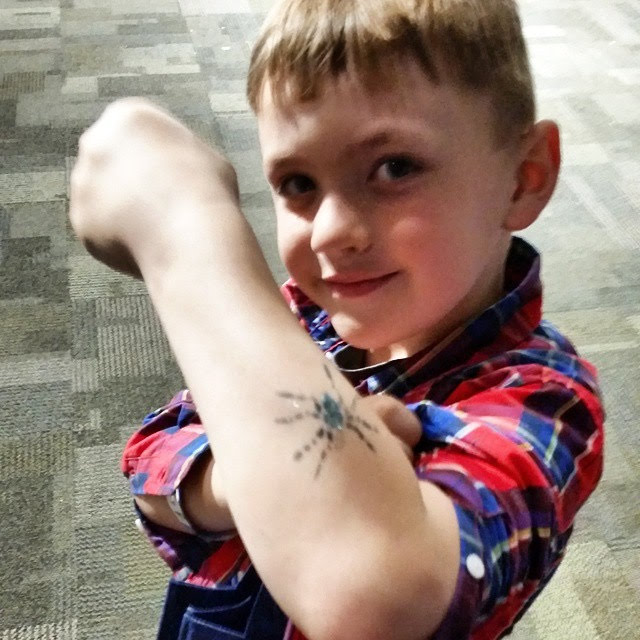
The Learning Is Hidden in Plain Sight
One of the challenges of museum education is that learning doesn’t always look like learning.
Adults are conditioned to recognize education when we see it.
A child sitting at a desk reading a book? Learning.
A child listening to a teacher? Learning.
A child completing a worksheet? Definitely learning.
A child spending ten minutes trying to figure out how to move a ball through a complicated exhibit?
We might just call that playing.
But what is the child actually doing?
They’re making observations.
They’re forming hypotheses.
They’re testing those hypotheses.
They’re adjusting their approach.
They’re experiencing cause and effect.
They’re solving a problem.
They’re learning.
This is one of the things I find so compelling about children’s museums. The play is not separate from the educational experience. The play is the educational experience.
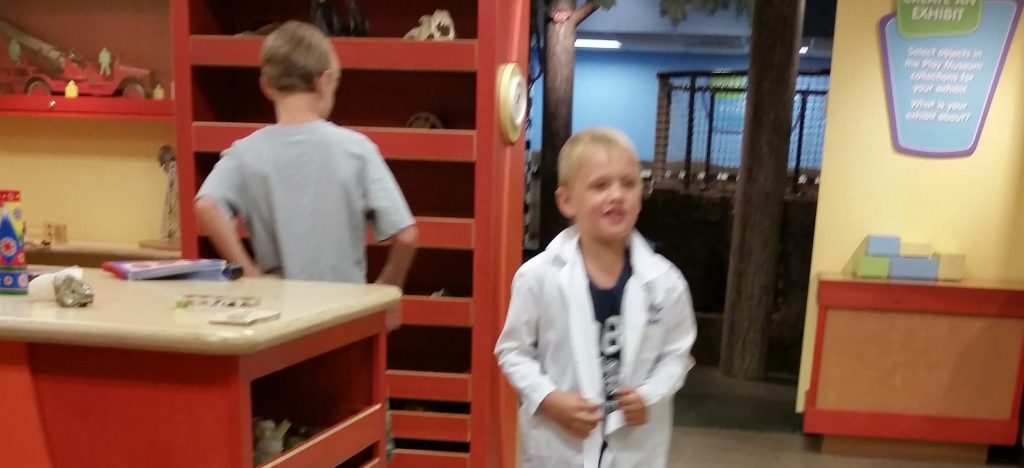
Good Exhibits Are Intentionally Designed
Having worked in museums, I know that what visitors experience as effortless often requires an enormous amount of thought behind the scenes.
An interactive exhibit isn’t educational simply because it has buttons to push.
Someone has to ask:
What do we want a child to discover?
What skills are we encouraging?
What questions might this experience generate?
Can a child figure it out independently?
Can children work together?
What happens if they do it differently?
Is there more than one way to approach the problem?
How can an adult participate without taking over?
Those are museum questions.
And they are incredibly important.
The best children’s museums aren’t simply filling a building with activities. They’re designing learning environments.
Play Gives Children Permission to Experiment
One of the greatest advantages of learning through play is that the stakes are low.
A child can build a tower.
It falls.
Build it again.
Change the design.
Try something different.
There isn’t a grade attached to the outcome.
There isn’t a red mark saying wrong.
There is simply another opportunity to try.
That matters because experimentation is at the heart of learning.
We want children to become curious adults who aren’t afraid to ask questions or tackle unfamiliar problems.
But we can’t expect them to develop those qualities if every learning experience requires them to immediately produce the “right” answer.
Children’s museums give them permission to explore the question first.
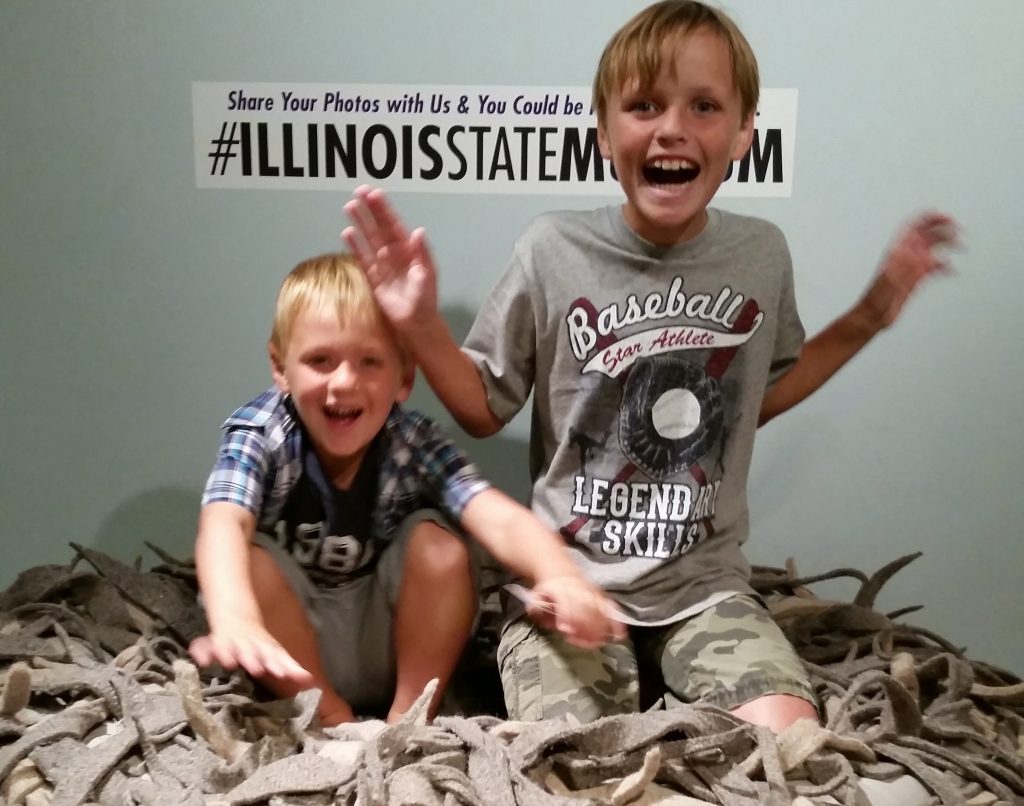
Pretend Play Is Serious Learning
Consider something as simple as a pretend grocery store.
An adult might see a child pushing a shopping cart around a miniature supermarket.
But the child may be practicing counting, sorting, communication, decision-making and social interaction.
They’re learning how a community works.
They’re learning vocabulary.
They’re negotiating with another child over who gets to be the cashier.
They’re learning that there are rules—and that sometimes rules have to be negotiated.
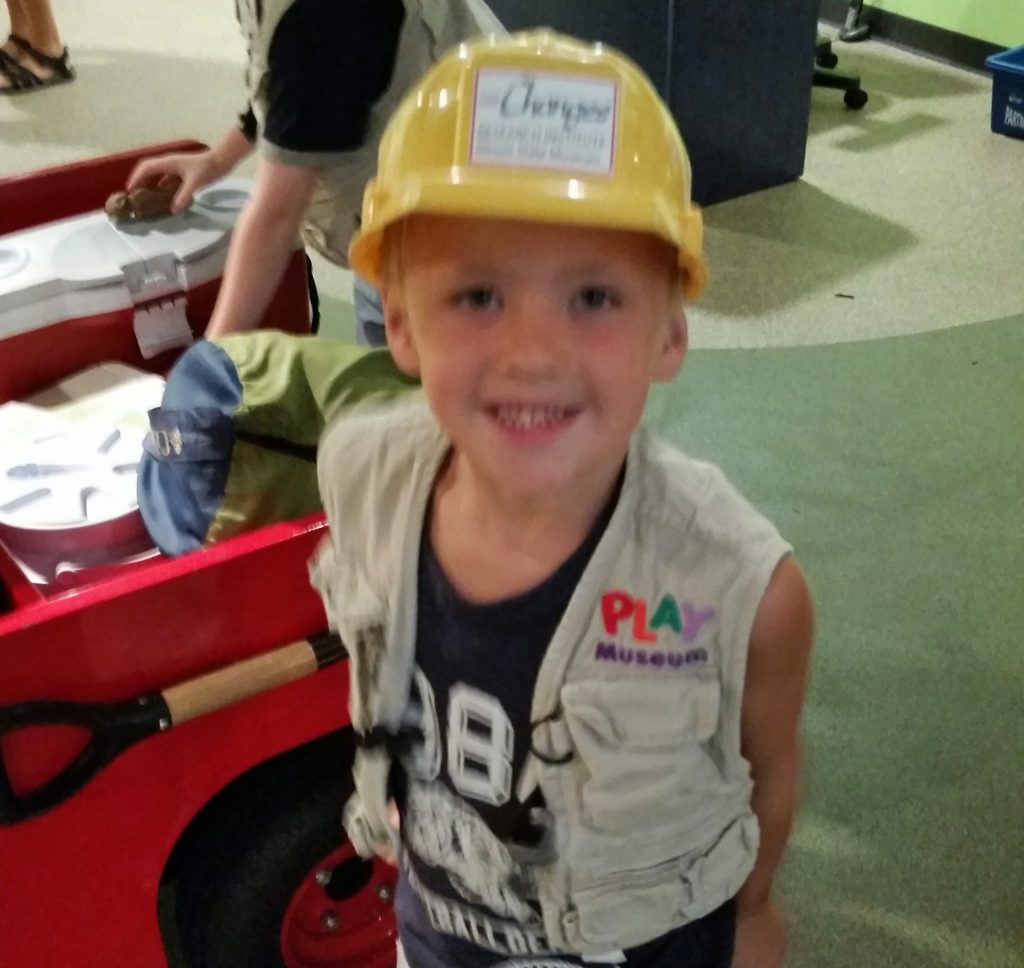
The same thing happens when children pretend to be doctors, firefighters, farmers, construction workers, scientists or restaurant owners.
They’re not merely pretending to have a job.
They’re trying on the adult world.
They’re asking, What would it be like if I were this person?
That is a remarkably powerful form of learning.
Children’s Museums Also Teach Adults
One of the things I particularly appreciate about children’s museums is that they aren’t just children’s spaces.
They’re family learning spaces.
A parent watching their child interact with an exhibit might discover something about how that child thinks.
Maybe their child keeps taking apart the same machine.
Maybe they’re fascinated by water.
Maybe they want to know why something works.
Maybe they’re drawn to storytelling rather than the science exhibit.
Those observations can change how a parent thinks about their child.
And ideally, the learning continues after the museum visit.
The child goes home with a question.
The parent helps them investigate it.
They build something together.
They look something up.
They have a conversation.
The museum has become the beginning of the learning experience rather than the end.
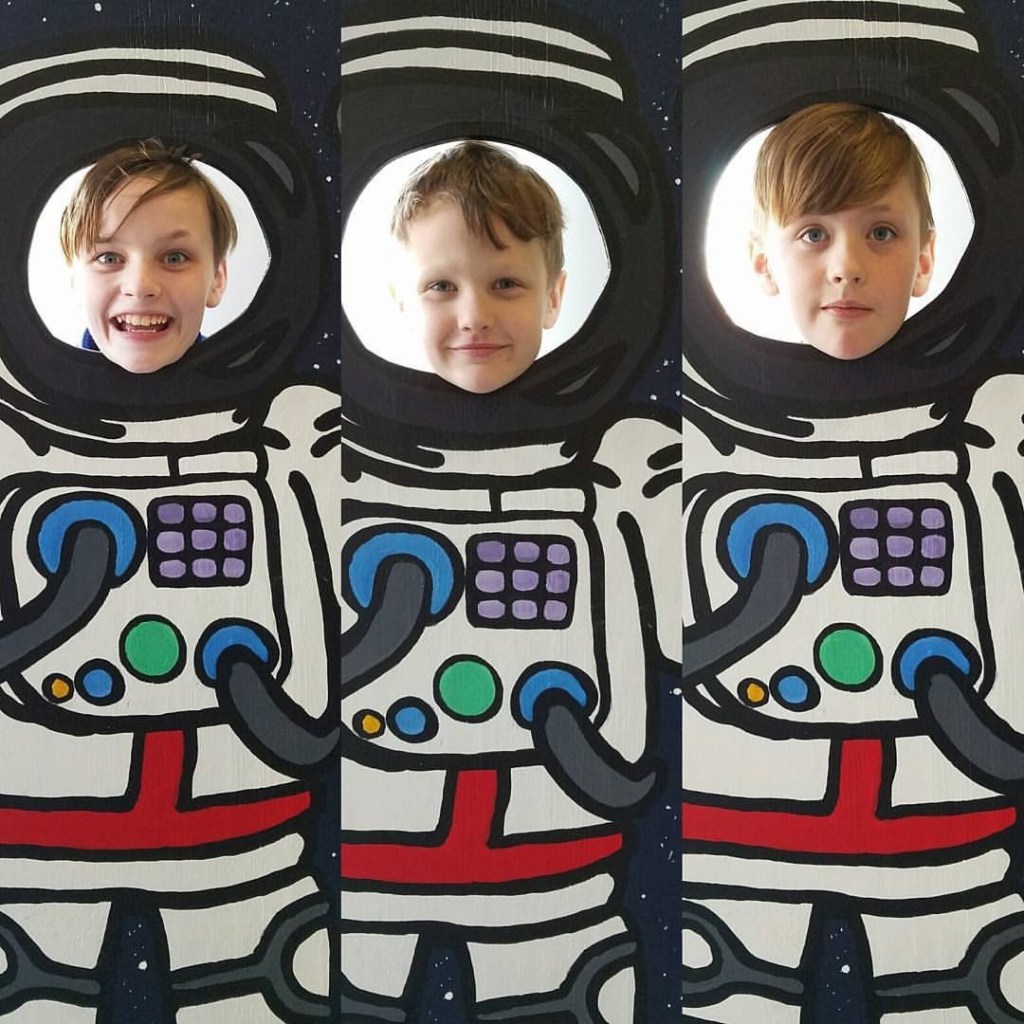
This Is Why Interpretation Matters
My career has largely focused on interpretation—the process of helping visitors make meaning from what museums have to offer.
Children’s museums remind us that interpretation doesn’t always have to begin with a label.
Sometimes it begins with an invitation.
What do you think will happen?
Can you make it work?
What would happen if you changed this?
Can you build one?
Why do you think that happened?
Those questions are interpretation.
They simply look different for a five-year-old than they do for a fifty-five-year-old.
And that’s an important distinction.
We shouldn’t underestimate children’s ability to think deeply simply because their method of exploration looks different from ours.
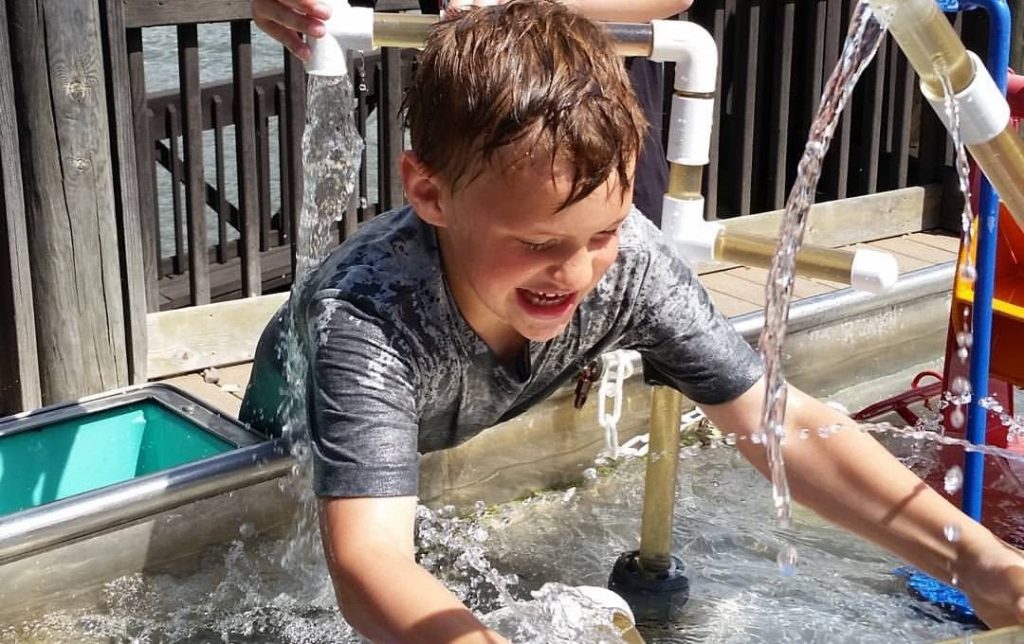
The Mess Is Part of the Method
I’ve also learned that museum professionals sometimes have to defend the messiness of learning.
Water gets spilled.
Things break.
Children disagree.
A carefully constructed tower collapses.
Someone makes a giant pile of blocks that appears to have no discernible purpose.
And sometimes the exhibit gets used in a way the designer never anticipated.
That’s not necessarily failure.
Sometimes that’s exactly what successful learning looks like.
Children are testing boundaries.
They’re experimenting.
They’re figuring out what happens when they do something differently.
They’re developing persistence.
And yes, they’re having fun.
We shouldn’t be afraid of that last part.
Museums Don’t Have to Feel Like School
I think this is one of the most important lessons children’s museums can teach the broader museum field.
We don’t have to make learning feel like school in order for it to be educational.
Museums can be places where people move.
Where they touch things.
Where they ask questions.
Where they make connections.
Where they laugh.
Where they make mistakes.
Where they follow their curiosity.
Children’s museums simply make that philosophy particularly visible.
And perhaps that is why they are sometimes misunderstood.
The educational work is hidden inside the fun.
The Point Isn’t to Keep Kids Busy
There is nothing wrong with wanting a safe place to take your children on a rainy afternoon.
But if we reduce children’s museums to places that keep kids busy, we miss the larger purpose.
A well-designed children’s museum is teaching children something much bigger than the subject matter of any individual exhibit.
It is teaching them how to learn.
Be curious.
Ask questions.
Try something.
See what happens.
Make a mistake.
Try again.
Work with someone else.
Find another solution.
And perhaps most importantly:
Don’t be afraid to explore.
As museum professionals, that’s the kind of learning we should want to encourage—not just in children, but in all of us.
So the next time you walk into a children’s museum and see a room full of kids climbing, building, pretending, experimenting and making a glorious mess, look a little closer.
You may not be looking at an indoor playground.
You may be looking at a room full of future scientists, engineers, artists, entrepreneurs, historians, caregivers and problem-solvers doing exactly what children are supposed to do.
Play.
And learn.
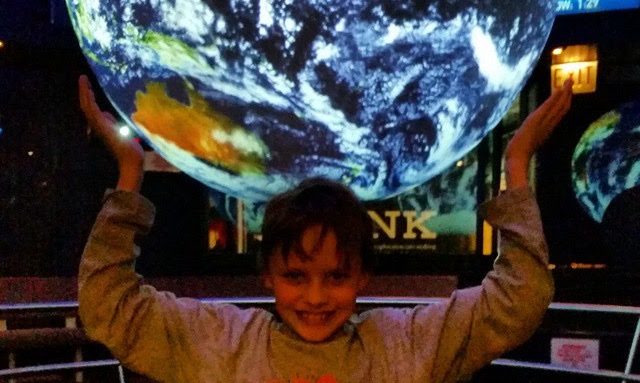
**All photos posted with the permission of my nephews who were willing testers of my museum theories and took many museum adventures through out their childhoods.**


Leave a comment