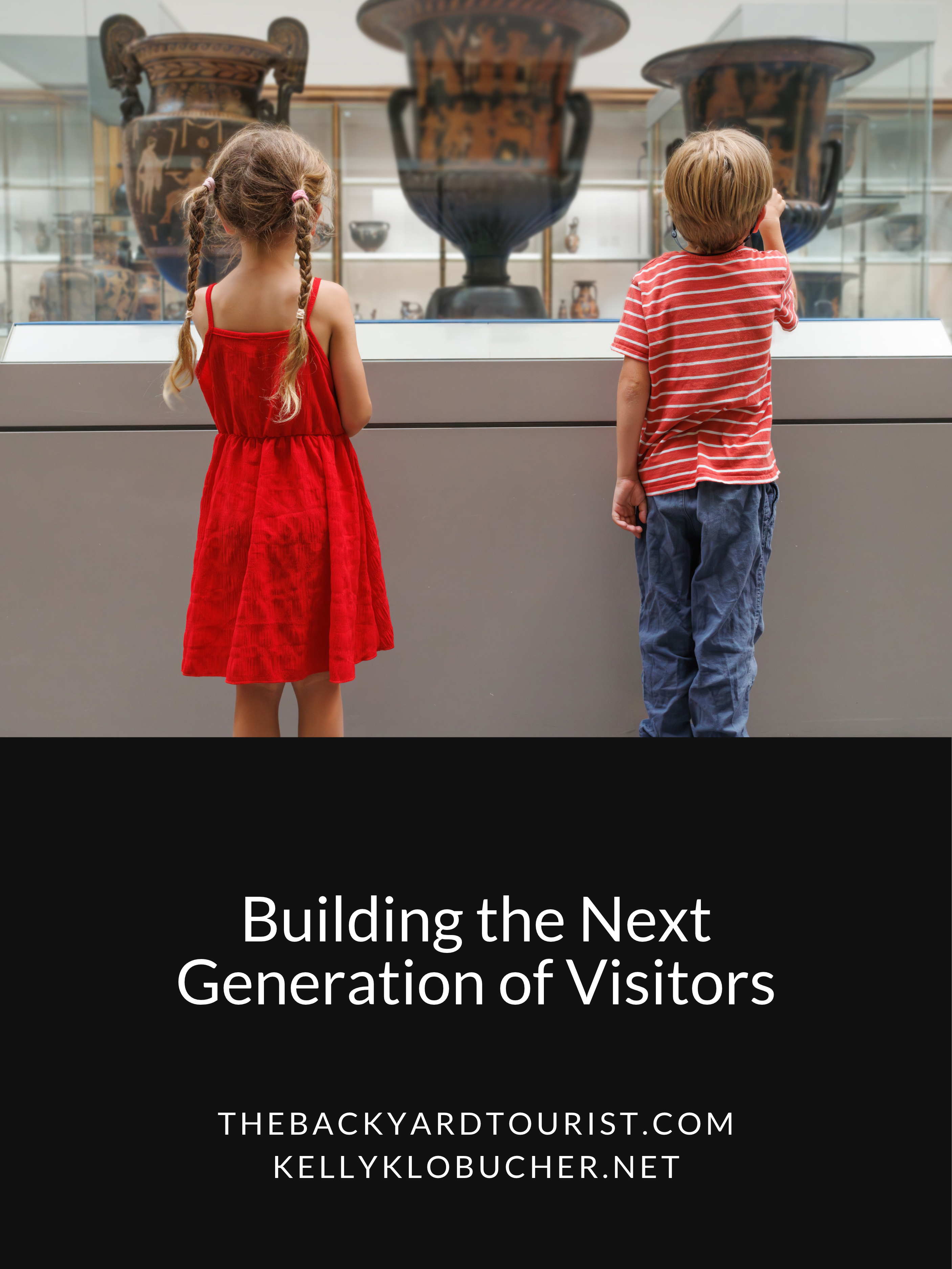
Exploring how museums, cultural travel, and storytelling shape communities and economic growth.
For museums to remain relevant, they must engage not only today’s audiences, but tomorrow’s as well.
Family programming plays a critical role in this effort. It creates opportunities for children and caregivers to experience museums together, fostering curiosity, learning, and a sense of connection that can last a lifetime.

In my experience working within museum leadership, some of the most impactful initiatives have been those designed specifically with families in mind. Seasonal events, interactive exhibits, and hands-on programming transform museums from places of passive observation into spaces of active participation.
These experiences matter.
The “FOR Kids BY Kids” tours proved to be one of the most successful and engaging programs offered at the house museum. Designed to be shorter and more accessible than traditional tours, they were led by a sixth grader and an eighth grader, creating an immediate sense of connection and relatability for young visitors. The peer-to-peer format transformed the experience, making history feel approachable and fun rather than formal or distant. Every program sold out, demonstrating strong demand and validating the idea that when young people are given ownership of storytelling, they not only rise to the occasion — they bring others with them.
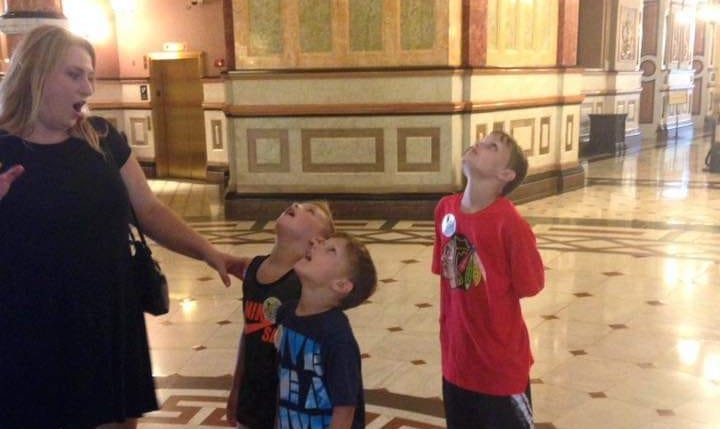
When children engage with museums and historic sites early, they begin to see these institutions as welcoming and accessible. They associate museums with discovery, creativity, and shared experiences rather than formality or restriction. This shift is essential for building long-term audiences.
Family programming and child friendly tours strengthens community ties. Events that invite participation across generations create opportunities for connection — not only within families, but among community members. Museums become gathering spaces, contributing to a broader sense of belonging.
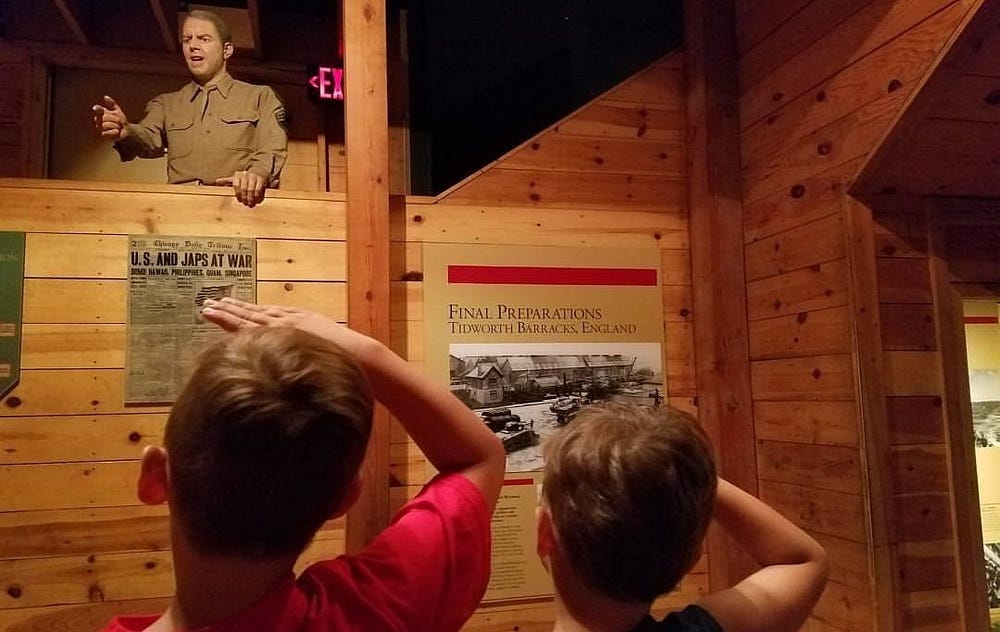
From an institutional perspective, family-focused initiatives are also a strategic investment. They expand audiences, increase visitation, and create repeat engagement. Families who have positive experiences are more likely to return, participate in additional programs, and become long-term supporters.
The future of museums depends on their ability to evolve. By prioritizing family programming, institutions position themselves as inclusive, dynamic spaces that serve the needs of their communities today while cultivating the audiences of tomorrow.
Kelly Klobucher is a museum executive and cultural tourism strategist focused on audience growth, heritage preservation, economic development, and community storytelling.


Leave a Reply