Some of the best educational experiences happen when you aren’t actually looking for one.
A few years ago, a friend and I were visiting SeaWorld in Orlando, Florida, enjoying the exhibits and spending some time watching the stingrays. We weren’t on a scheduled tour, attending a presentation, or looking for anything particularly educational. We were simply enjoying the experience.
Then something unexpected happened.
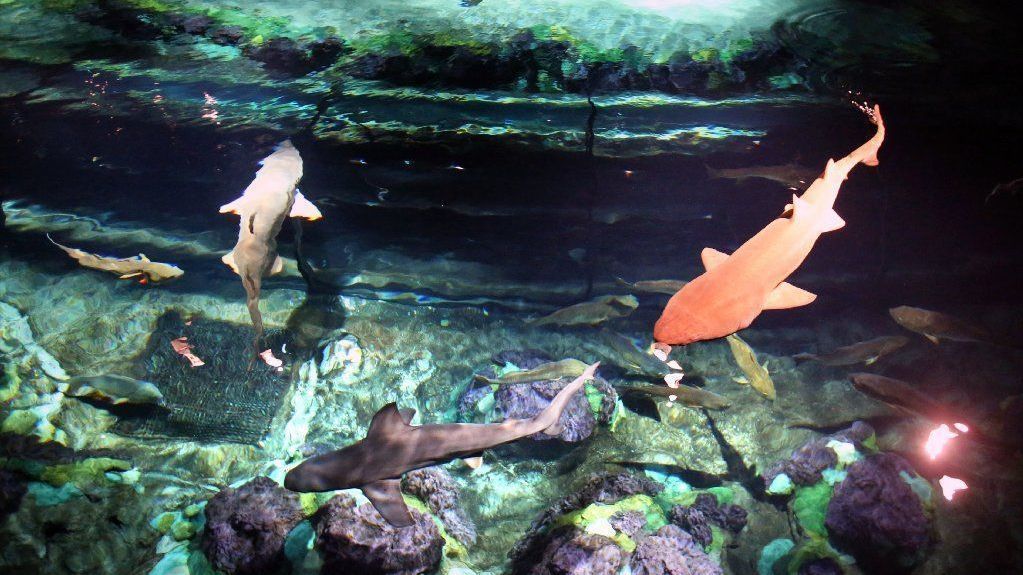
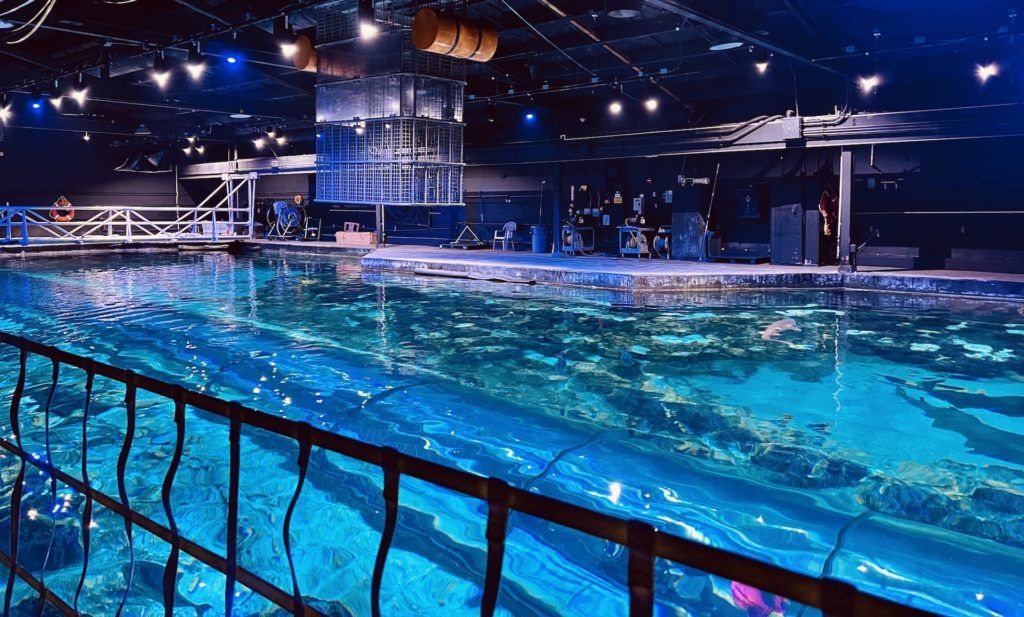
A SeaWorld educator approached us and, through a casual conversation, offered us an opportunity to see something most visitors don’t get to experience: a behind-the-scenes look at the care and feeding of the sharks in the park’s shark experience tank.
Of course, we said yes.
And just like that, an ordinary afternoon of looking at marine life turned into one of the most interesting educational experiences of our visit.
A Different Perspective on the Shark Experience
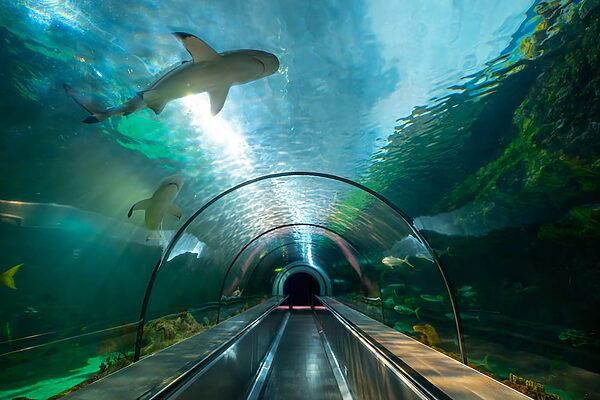
Most visitors experience the shark exhibit from the other side of the glass, walking through the underwater tunnel as sharks glide overhead and around them. It’s an impressive experience, designed to give visitors the feeling of being immersed in an underwater environment.
But we got to see it from an entirely different perspective.
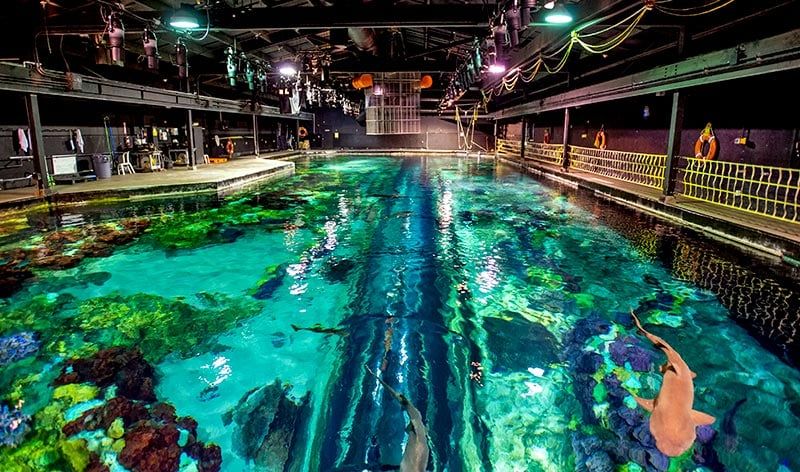
Our educator took us above the exhibit, where we could look down into the enormous tank and see the tunnel below. From that vantage point, we could observe the layout of the exhibit and areas that aren’t visible to the general public.
Even more fascinating were the specialized spaces off to the side of the main tank. These areas serve important functions in the care and management of the animals, including spaces for medical treatment and birthing.
We learned about how the sharks are fed, monitored, and cared for by the animal care team. What looks like a beautifully choreographed underwater experience to visitors is actually a complex operation involving animal husbandry, veterinary care, specialized equipment, and a team of professionals dedicated to the animals.
It was a reminder that what we see as visitors is only a small part of the story.
The Value of an Unexpected Educator
What struck me most wasn’t just getting access to an area normally off-limits to visitors. It was the educator who made the experience possible. She had no idea that I too was a museum educator. This was not a prearranged experience.
There was no elaborate presentation or formal classroom setting. Instead, someone recognized an opportunity to share knowledge with two curious visitors and took the time to do it.
That’s what I think of as a Random Act of Education.
It’s the spontaneous conversation that turns a casual observation into a learning opportunity. It’s the museum docent who notices you’re particularly interested in an artifact and shares a story that isn’t on the exhibit label. It’s the historic site interpreter who explains why a seemingly insignificant architectural detail matters. It’s the zoo or aquarium educator who takes a few extra minutes to explain the science behind what you’re seeing.
These encounters don’t always appear on the visitor schedule. They aren’t necessarily part of the official interpretive plan. But they can be among the most memorable parts of a visit.
And they don’t require a formal tour or a special ticket. Sometimes they simply require an engaged educator and a visitor willing to ask questions.
A Lesson for Museums and Cultural Attractions
Having spent much of my career in the museum world, I tend to look at visitor experiences through two lenses: the visitor and the museum professional.
From the visitor’s perspective, this was a wonderful surprise. We left knowing considerably more about sharks and the work involved in caring for them.
From the museum professional’s perspective, I saw something equally important: the power of frontline interpretation.
We spend considerable time developing exhibitions, writing interpretive panels, planning educational programs, and designing visitor experiences. All of those things matter. But we sometimes underestimate the impact of an informal, human interaction.
An educator who is approachable, knowledgeable, and genuinely interested in sharing information can transform an ordinary visit.
It also reinforces the importance of giving frontline staff the training, knowledge, and freedom to engage visitors beyond a scripted presentation.
Not every educational interaction needs to be scheduled. Not every learning opportunity needs a registration form.
Sometimes the best interpretation happens organically.
Stay Curious. Ask Questions. Take the Detour.
One of my favorite things about visiting museums, historic sites, zoos, aquariums, and other cultural attractions is that there is almost always more to discover than what initially meets the eye.
My advice? Don’t be afraid to ask questions. Talk to the people who work there. If an educator, docent, or interpreter offers to share something extra, take them up on it.
At your own museum: How can you create a similar surprise experience? Its a great way to test a new program!
*This trip happened a few years ago. While researching this article, I found that Sea World now offers special behind the scenes tours to add to your visit. Check their website for details.
And if you’re working in the cultural attraction industry, remember that a small investment of someone’s time can make a lasting impression.
Our visit to SeaWorld was already enjoyable. But thanks to one educator’s willingness to go a little beyond the expected, we came away with a much better understanding of what happens behind the scenes.
We went to look at stingrays.
We left talking about shark care, veterinary spaces, animal husbandry, and the people who make it all happen.
Not a bad return on an afternoon’s curiosity.
The Backyard Tourist takeaway: The best travel experiences aren’t always found on the map, in the brochure, or on the daily schedule. Sometimes they’re waiting just beyond the exhibit glass, in a conversation you didn’t know you were going to have.
Stay curious. You never know where the next lesson will take you.
Kelly Klobucher is a Museum executive and cultural tourism strategist exploring how museums, heritage travel, and storytelling connect people to place. Follow her blogs at KellyKlobucher.net and Thebackyardtourist.com


Leave a Reply